
Skip to content

Soakaway Tanks · South of England

Soakaway installation in Somerset

On the Levels most ground won't take a soakaway. On Somerset's higher ground it often will, and there we fit geotextile-wrapped crate soakaways sized by your engineer from the test figures.

Where we install
  • Frome
  • Wells
  • Shepton Mallet
  • Cheddar
  • Radstock
  • Midsomer Norton
  • Taunton
  • Yeovil
  • Wellington

Base · Tamworth B78 2BP

Higher ground, better infiltration

Around the Mendips and the towns on their flanks, Frome, Wells, Shepton Mallet and Cheddar, and on parts of the Quantock and Blackdown fringes, percolation results are often good enough for infiltration. A soakaway there is the simple route: runoff goes back into the ground on the plot, with no outfall to build.

The answer can change within a few miles as the ground drops towards the Levels, and limestone can drain unevenly. Your engineer needs results from your own plot before sizing anything, and if they come back marginal we'll say so.
Sizing from your own results

Soakaways are normally sized to BRE Digest 365. Your engineer or site investigation digs trial pits on the plot, fills them and times how fast the water falls, then works the size out from that rate, the area being drained and a severe design storm. A slow rate means a bigger soakaway, and below a certain rate infiltration stops being an option.

What we install

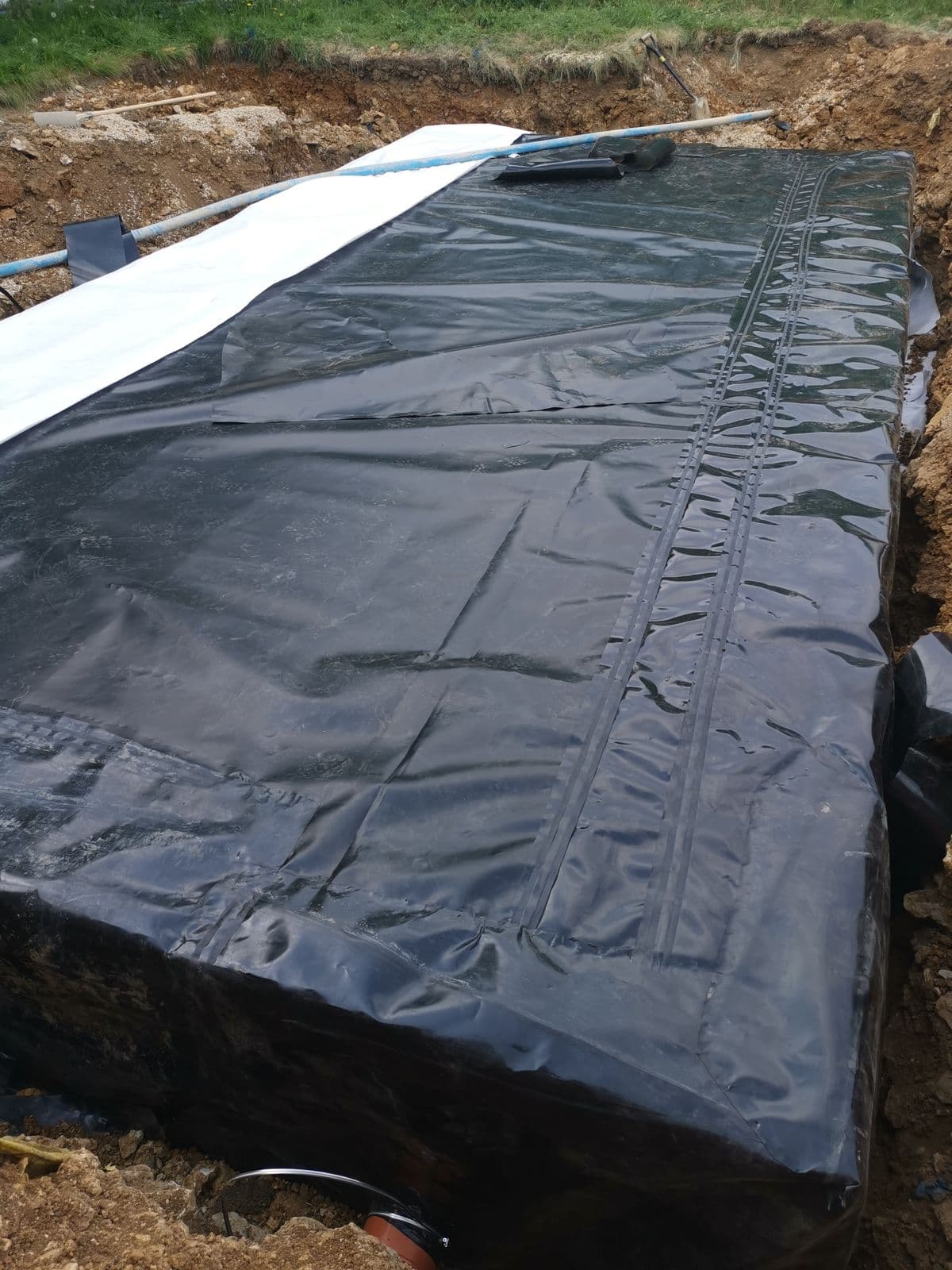
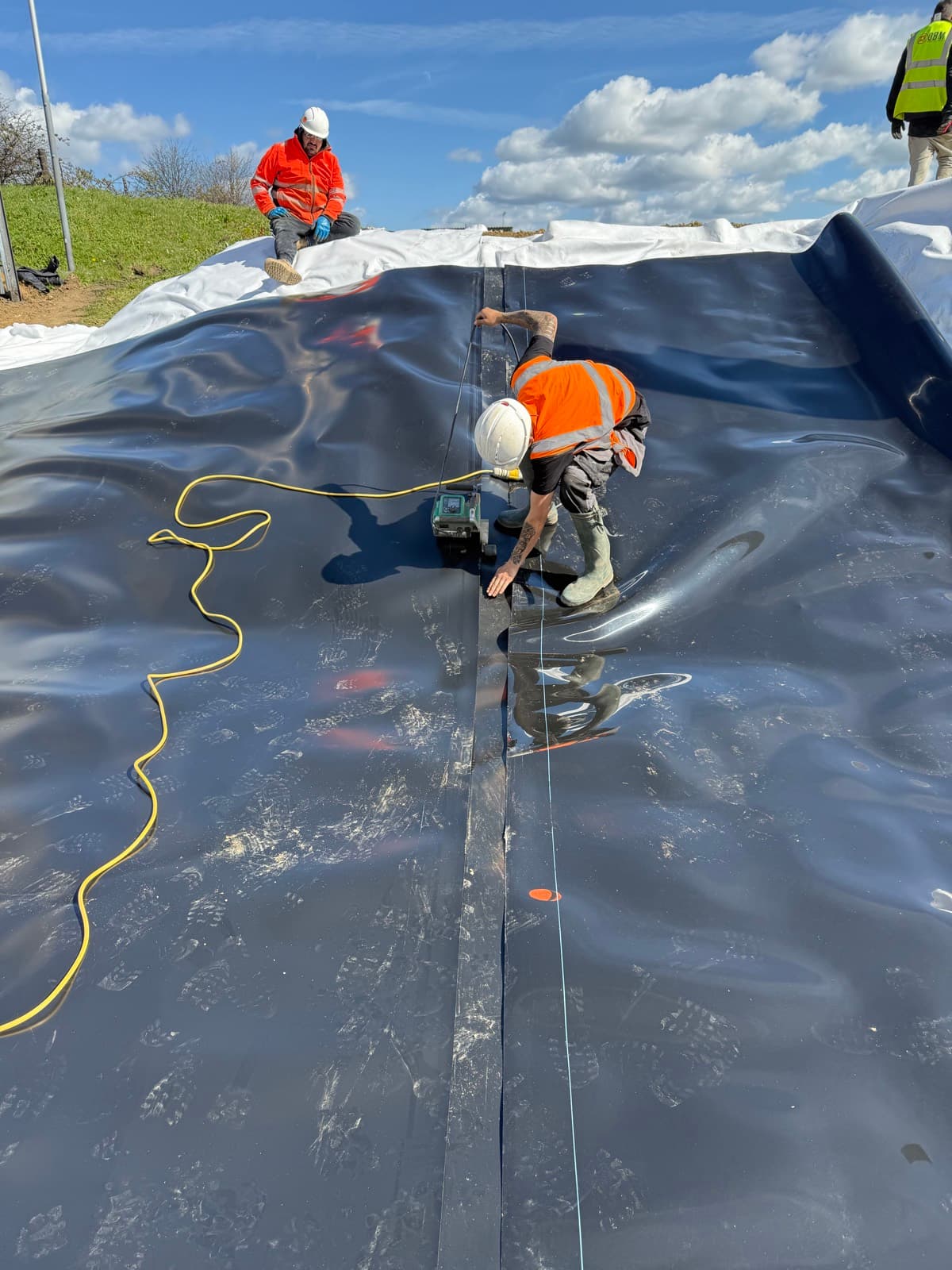
Your engineer's drawing is our brief. We don't dig: the pit and its backfill are your groundworker's. Our crew checks the base, puts the crates together inside the geotextile, links up the inlet and silt management, and leaves records for building control. Crews travel from our Tamworth base.

A soakaway under a yard or track needs crates rated for the vehicles over it, which your engineer sets. We build to that loading class and to the depth of cover on the design, and record both in the handover pack so building control and any future owner can see what is in the ground.

  • Crate soakaways in a permeable geotextile wrap, sized from measured infiltration rates
  • Soakaways for driveways, extensions and new roofs under Approved Document H
  • Farm yard and building drainage, with pre-treatment sized for the extra sediment

Keeping a soakaway working

The crates need no maintenance. What shortens a soakaway's life is what washes in from above: silt, leaf litter and moss from the roof or yard. The geotextile keeps the surrounding soil out, and a silt trap or catchpit upstream stops the rest, as long as it's inspected and emptied periodically and the gutters are kept clear.

On farms, yard runoff carries far more sediment than a house roof, so pre-treatment matters more. Most failed soakaways come down to two avoidable causes: no silt protection upstream, or ground that was never tested and couldn't take the water on day one.

Soakaway Installation Somerset

Frequently asked questions

There's a fair chance, but only the percolation results from your plot will tell your engineer. Limestone and clay can sit close together, so a neighbour's result isn't a safe guide.

A soakaway is unlikely to work in Levels clay and peat with the water table that close. Your engineer will normally design an attenuation tank with a controlled outfall instead, which we also install.

As often as the design and maintenance plan specify, and more often on a farm yard than on a house roof. Check it after heavy weather until you know how quickly it fills.

Yes, where the ground passes. Roof water from a barn is a good candidate for infiltration. Dirty yard water needs more treatment upstream, and some of it may need to go elsewhere, as your engineer decides.

Tell us about your project

Quote back within one working day