Limestone, sandstone and a lot of clay
The East Midlands has some of the most varied ground in the country. Derbyshire runs from the fissured limestone of the White Peak and the gritstone of the Dark Peak down to the coalfield around Chesterfield. Nottingham sits on Sherwood Sandstone, which drains freely. Leicestershire is mostly Mercia Mudstone, Lias clay and glacial till, which don't. Northamptonshire mixes ironstone and limestone with clay valleys, and Lincolnshire adds the chalk of the Wolds, the limestone ridge through Lincoln and fen ground in the south-east.
The Trent is the backbone, fed by the Derwent, the Dove and the Soar, with the Nene, the Welland and the Witham draining the south and east. The river valleys carry sand and gravel terraces where groundwater can sit close to the surface.
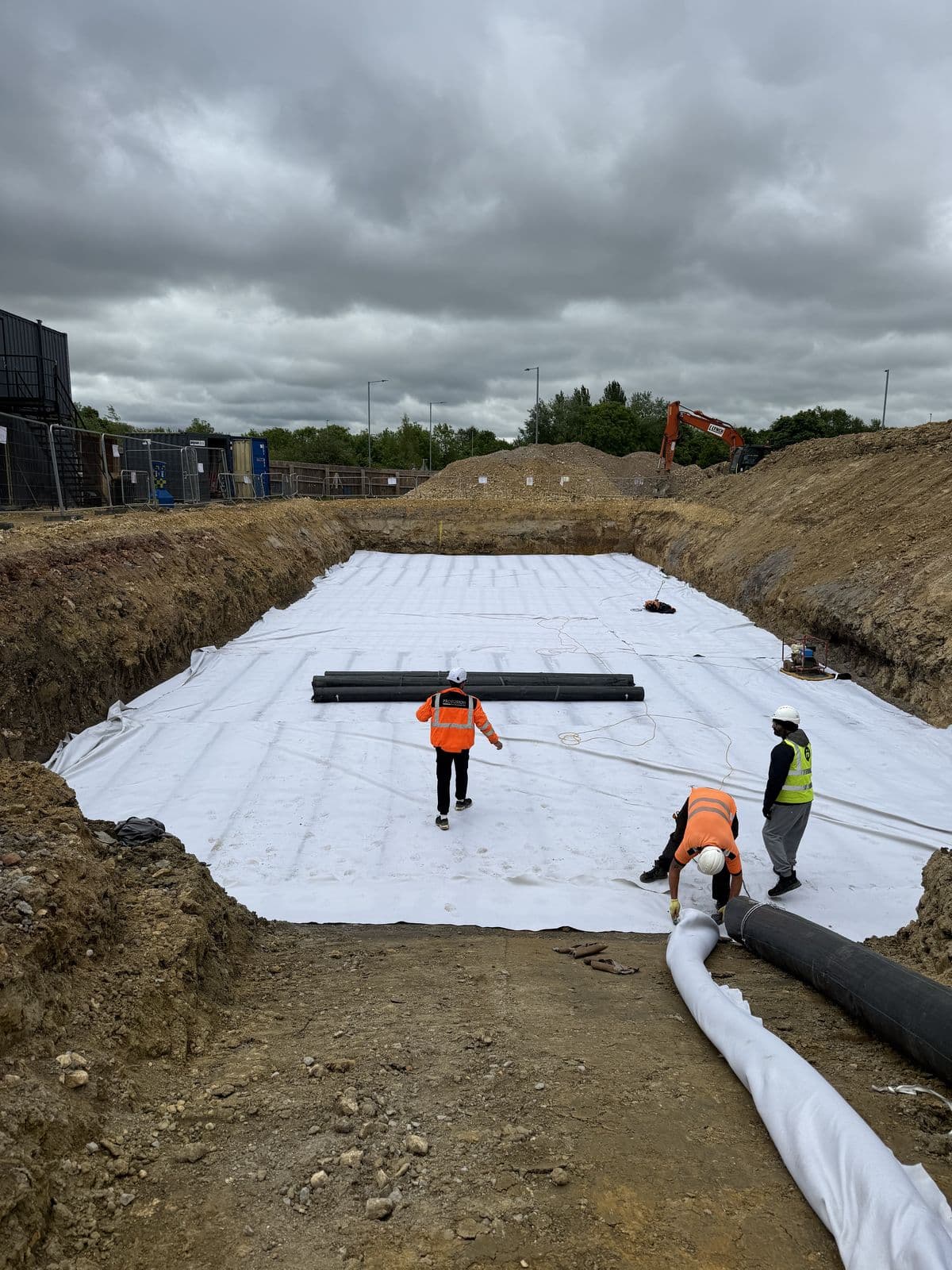
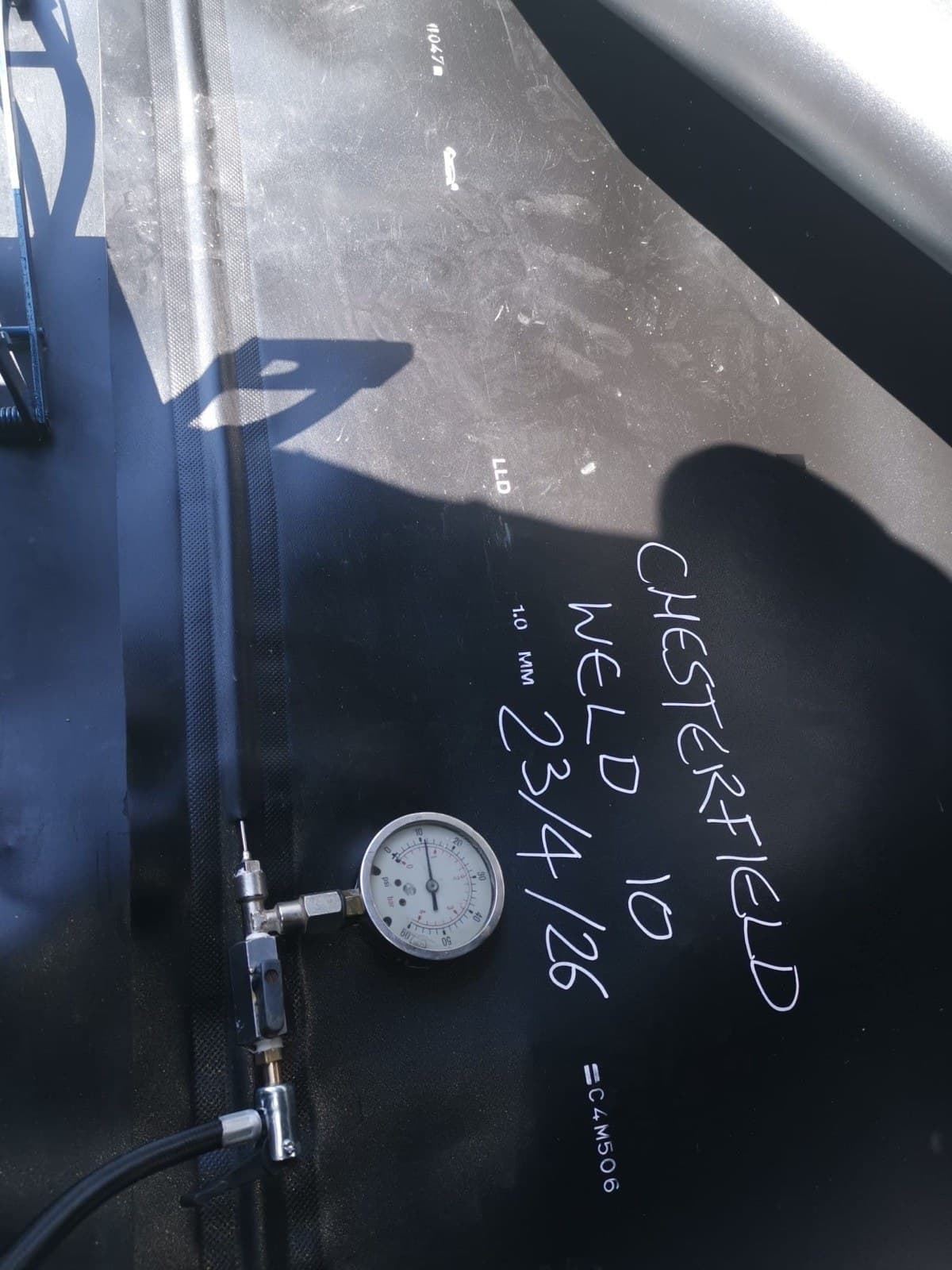
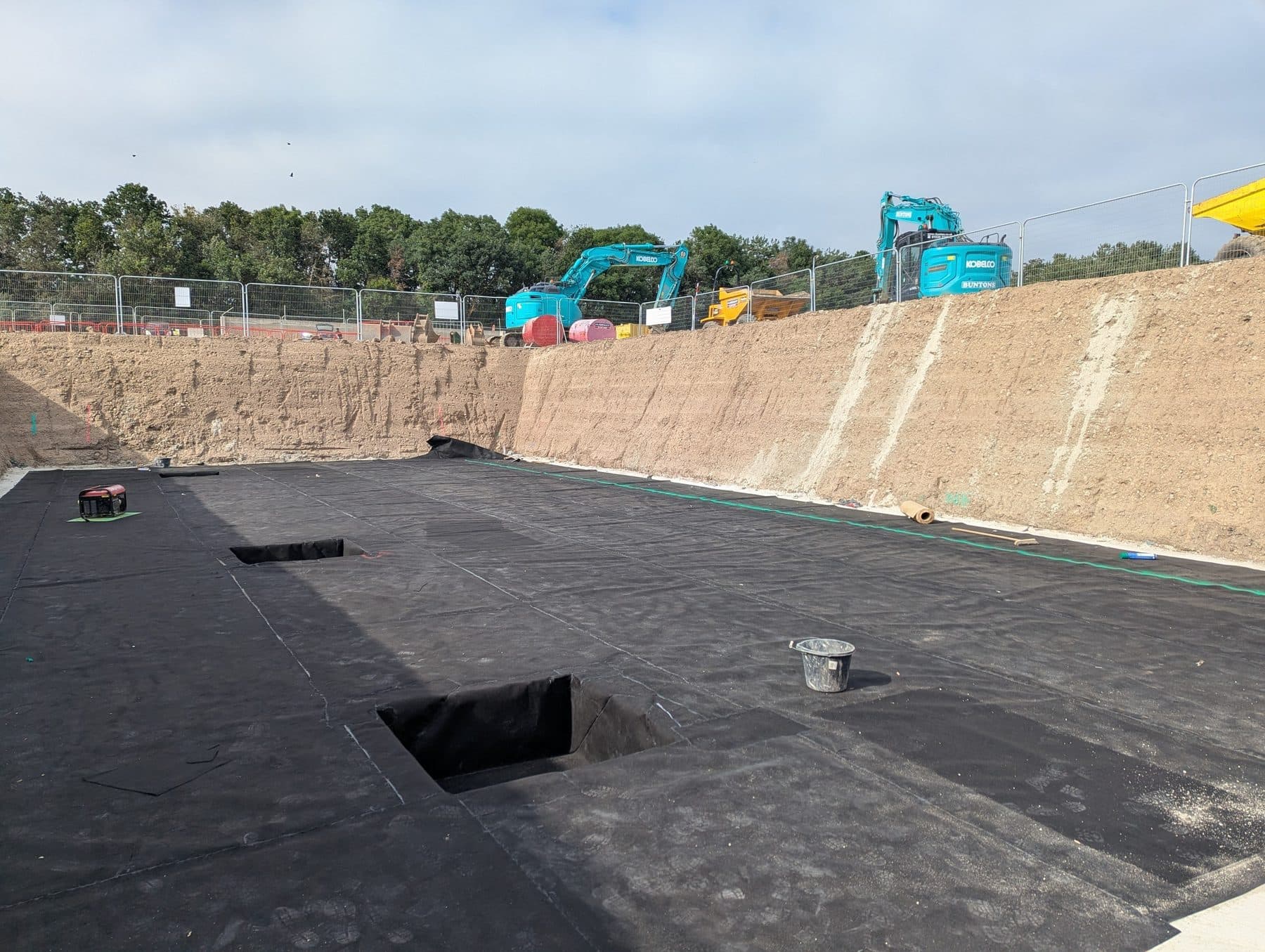
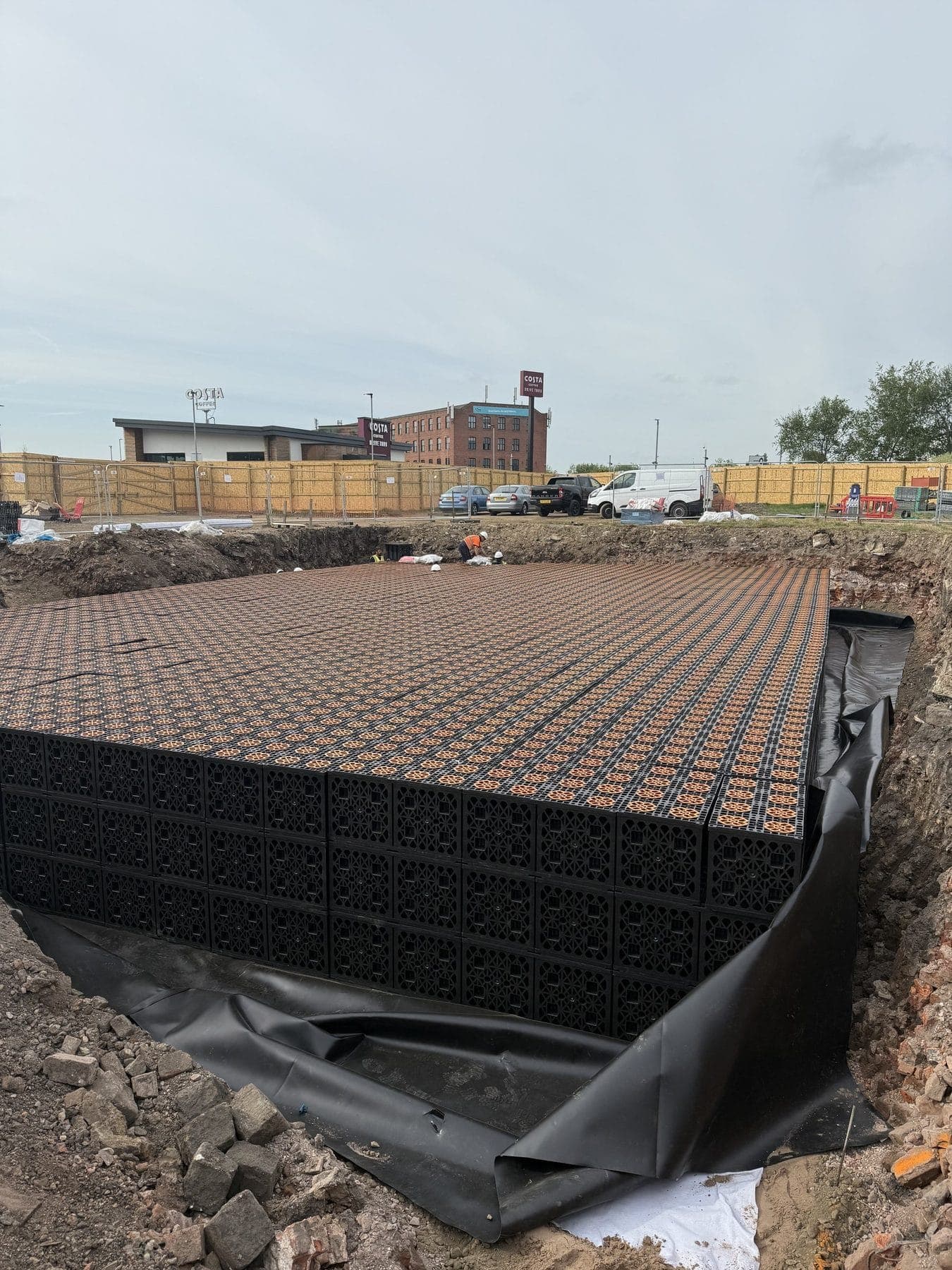
So the answer to the drainage question changes from site to site. Infiltration can work on sandstone, gravel and some of the limestone. On the clays, and where groundwater is high, the engineer usually moves to sealed storage with a controlled outfall.