
SVC-04 · GCL Pond Lining
GCL pond lining
Geosynthetic clay liners with a self-sealing bentonite core.
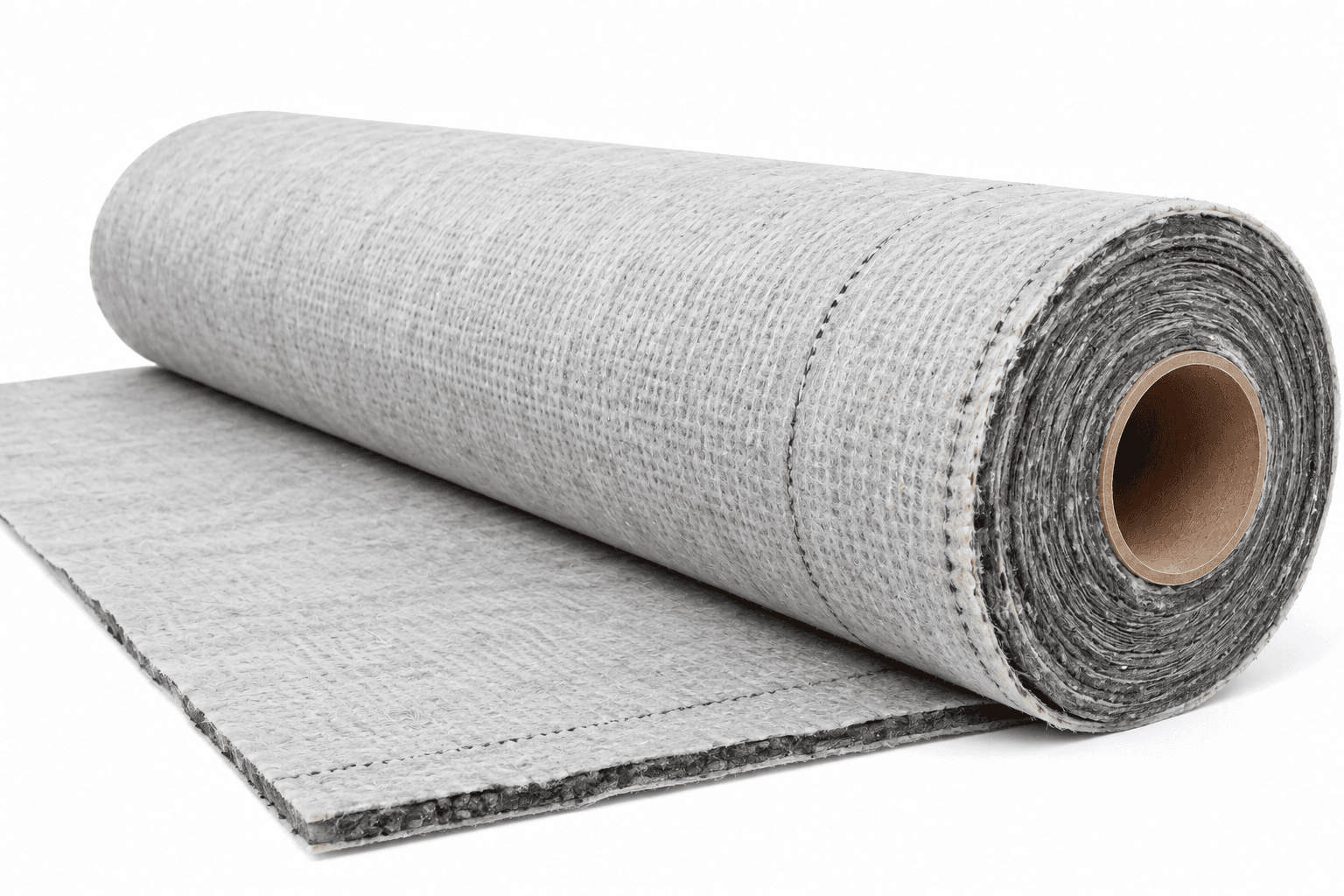
A GCL sandwiches sodium bentonite clay between geotextiles. On contact with water the bentonite swells into an extremely low-permeability barrier — and if the liner is ever punctured, the clay swells into the hole. For the right pond or lagoon, it's a forgiving, natural-finish alternative to membrane.
- Core
- Sodium bentonite clay
- Carriers
- Needle-punched geotextiles
- Jointing
- Overlaps + bentonite paste
- Behaviour
- Self-seals minor punctures
GCL Pond Lining in short
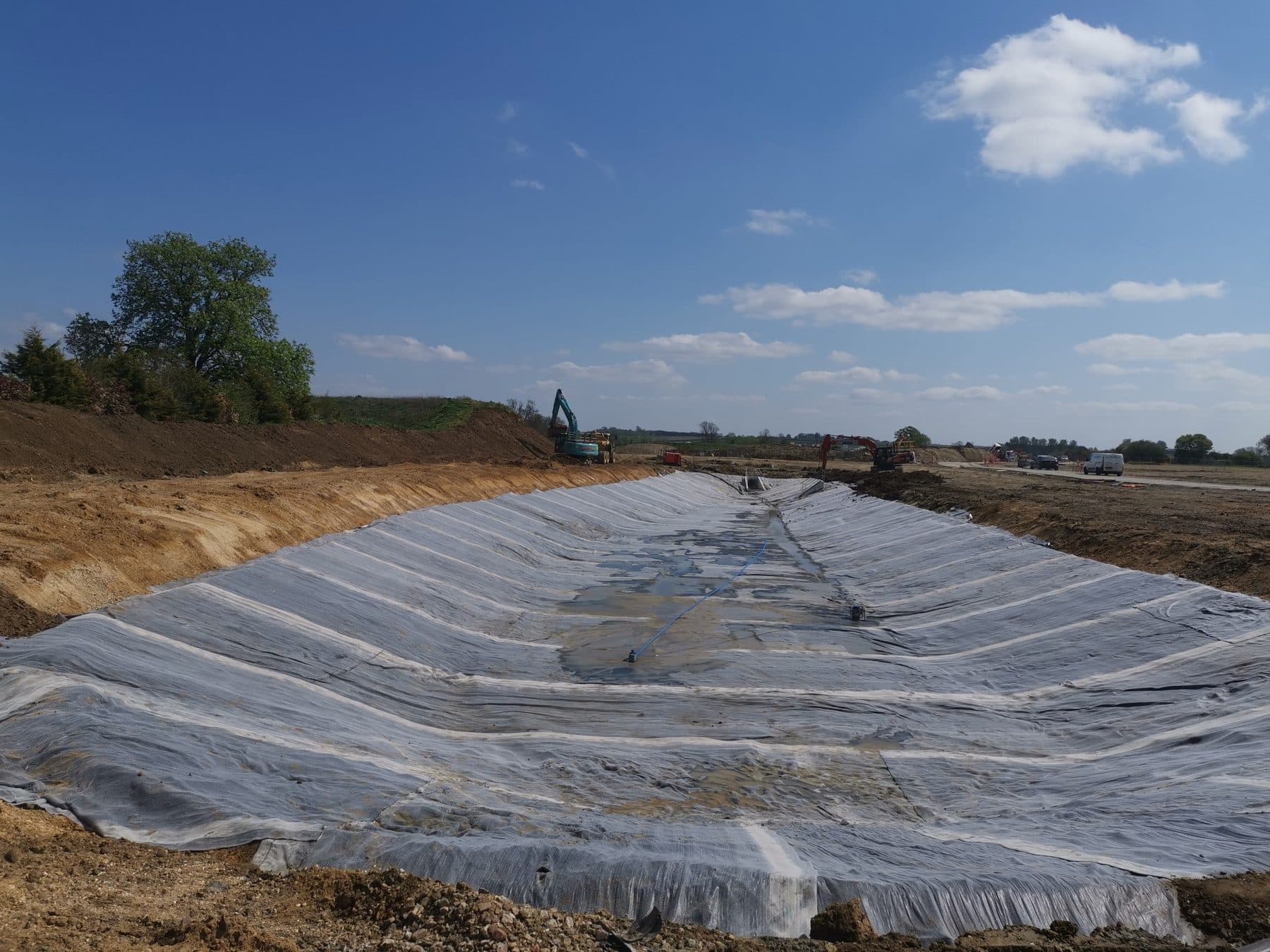
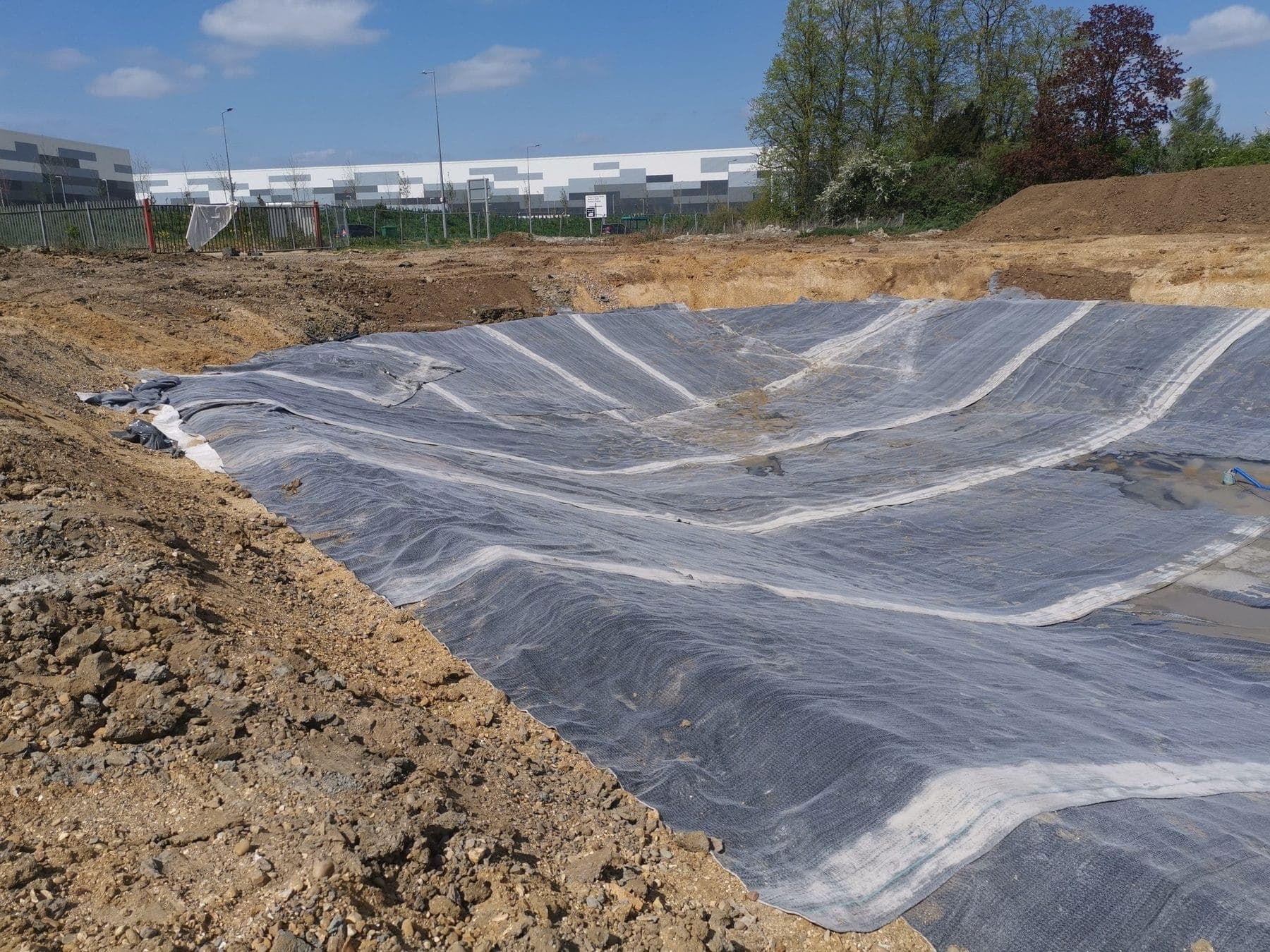
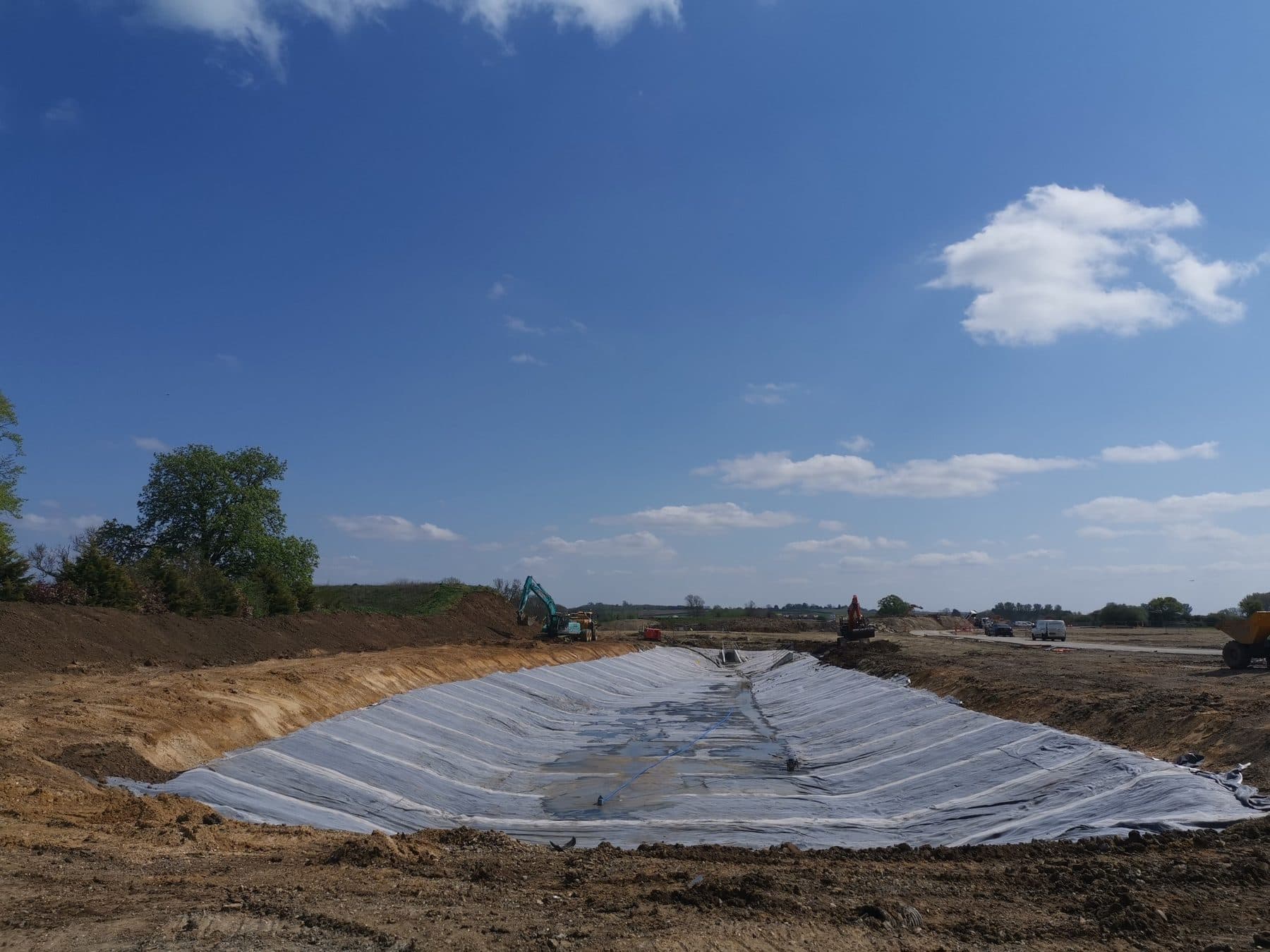
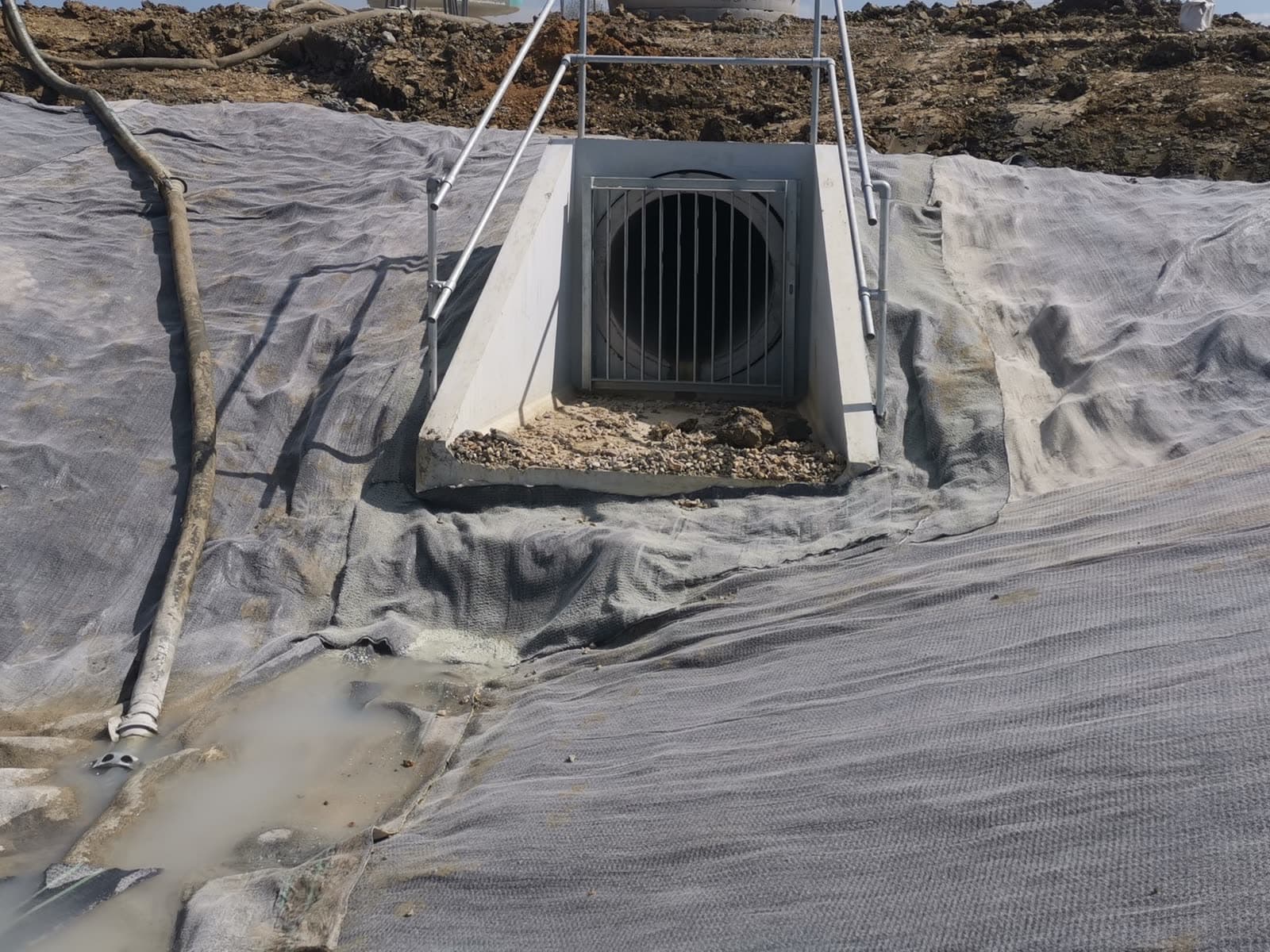
A geosynthetic clay liner (GCL) is sodium bentonite clay held between geotextiles, which swells on contact with water into an extremely low-permeability barrier and self-seals minor punctures. Aquatech Civils installs GCLs in ponds and lagoons, deploying panels with overlaps sealed with bentonite paste or granules and detailing every pipe, edge and structure. QA records are handed over with the cover depth, ready for the contractor's cover layer.
The system
What's in the package
One team from supply to handover documentation.
- Application suitability assessment
- Formation inspection and sign-off before laying
- Panel deployment with sealed overlaps
- Detailing at pipes, edges and structures
- QA records and handover, ready for your cover layer
How it goes in
Installation process
- 01
PH-01
Suitability check
GCLs need confinement and the right water chemistry. We confirm the application suits a clay liner before recommending one.
- 02
PH-02
Substrate check
A GCL performs exactly as well as the surface beneath it, so we inspect the formation you've prepared — smooth, compacted, free of sharp protrusions — and sign it off before laying.
- 03
PH-03
Panel deployment
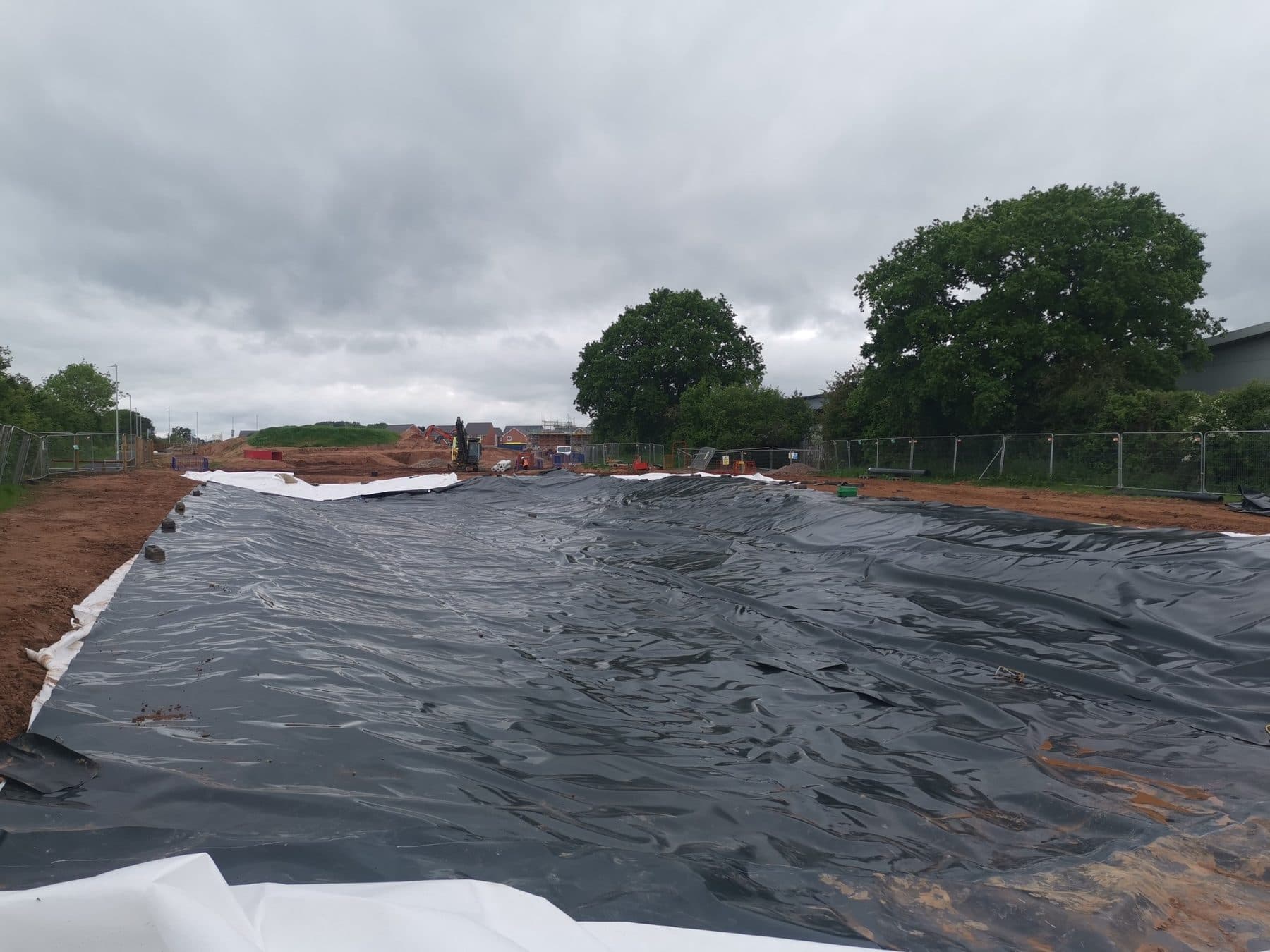
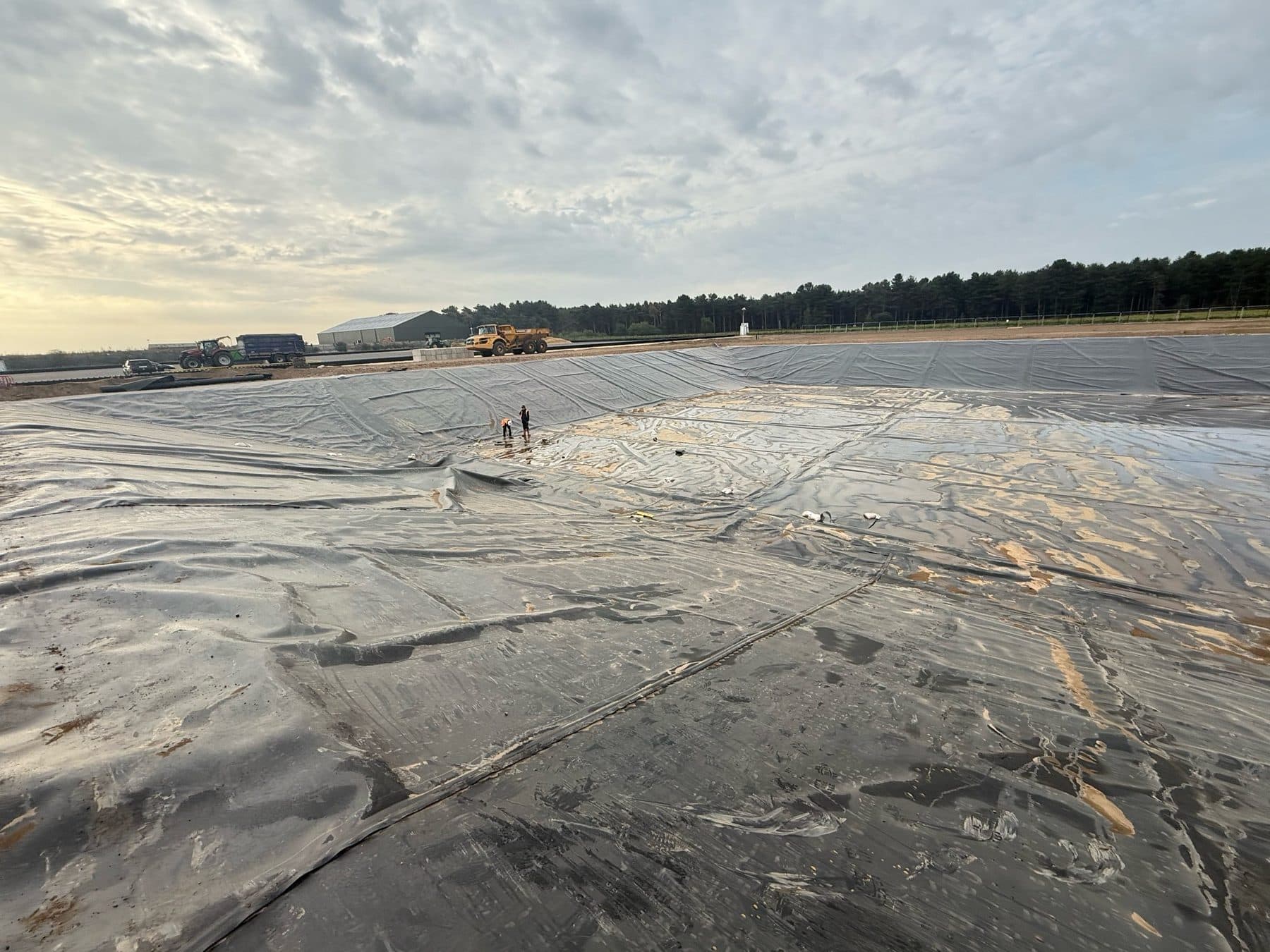
Rolls are deployed with generous overlaps, jointed with bentonite paste or granules at every lap and detail.
- 04
PH-04
Detailing & records
Pipes, edges and structures are detailed with bentonite paste or granules, and every lap and detail is recorded as we go.
- 05
PH-05
Handover for cover
We hand over with the QA records and the cover depth the GCL needs. Your contractor then places the confinement layer and hydrates it — the GCL needs both to seal, so cover follows promptly.
Specification
Specification
- Core
- Sodium bentonite clay
- Carriers
- Needle-punched geotextiles
- Jointing
- Overlaps + bentonite paste
- Behaviour
- Self-seals minor punctures
- Cover & hydration
- By your contractor, after handover
- Finish
- Natural bed, wildlife-friendly
- Brands
- NAUE · CETCO · Solmax · Geosyn · Wrekin
Turnkey
One team from supply to handover documentation.
Built to the design
Installed to your engineer's drawings and the manufacturer's detail. If something won't work, we tell you before we start.
Documented to sign-off
QA and handover records as standard, covering what building control and adopting authorities ask for.
UK-wide
Midlands based and working the length of the country, with 25+ years in the ground.
Supply only
Supply only
The same materials we install, at trade prices with UK delivery — for groundworkers fitting their own.
Asked on site
Frequently asked questions
A GCL gives you a natural clay bed, self-sealing behaviour and simple detailing, but it must be confined under soil or water and suits gentler profiles. Membrane handles steep slopes, exposed edges and aggressive contents. We install both, so the recommendation is about your pond, not our preference.
Minor ones, yes — hydrated bentonite swells to many times its dry volume and presses into small penetrations. It's protection against roots and accidental damage, not a licence to drive plant across the liner.
Confinement. The swelling clay needs something to swell against to form a tight barrier; unconfined bentonite just expands and washes away. Your contractor places the cover layer and hydrates the GCL once we've handed over — we confirm the cover depth it needs, and it should go on promptly, because a GCL hydrated before it's confined is ruined.
The leading ones — NAUE Bentofix, CETCO Bentomat, Solmax (GSE BentoLiner), and GCLs from UK suppliers Geosyn and Wrekin. We install to the specification, or recommend a product for the job. Our Insights article, “GCL brands compared”, sets out how they differ.
Bentonite is a natural clay — the finished pond bed behaves like a clay-puddled pond that's been built for centuries, which makes GCLs a favourite for wildlife and amenity schemes.
Adjacent systems
Related services
Tell us about your project
Quote back within one working day