
Skip to content

Soakaway Tanks · South of England

Soakaway installation in the New Forest

Some New Forest ground drains freely and some never will, often within the same village. Where your percolation results pass, we install the crate soakaway your engineer has designed.

Where we install
  • Brockenhurst
  • Lyndhurst
  • Lymington
  • Ringwood
  • New Milton
  • Fordingbridge
  • Milford on Sea
  • Burley
  • Sway

Base · Tamworth B78 2BP

Where a soakaway works in the Forest

The Forest's gravel terraces and sandy plateaus can take water well, and on those plots a soakaway is the cheapest way to deal with roof and drive runoff: no outfall, no flow control and nothing to agree with the sewerage company. A clay lens a few metres away can stop infiltration almost completely, so the decision belongs to a test on your own plot.

Groundwater is the other check. BRE Digest 365 sizing assumes the base of the soakaway stays above the highest water level through the year, and in the Forest's valleys that level rises a long way in winter. A plot that drains in August can be waterlogged in February.
Signs an old soakaway has failed

Plenty of Forest homes still drain to rubble pits dug decades ago. They fail slowly, as silt builds up from the bottom and the storage shrinks each year, until one wet week shows it.

Gurgling or smelly drains after rain can point the same way, as water sits in the pipework with nowhere to go. Before anything is replaced, it is worth having the drain run checked so a blocked pipe isn't mistaken for a failed soakaway.

  • Water standing over the soakaway hours after the rain has stopped
  • Gullies and downpipes backing up in heavy rain
  • One patch of lawn that stays boggy long after the rest has dried
  • Overflowing at the same spot every winter

Siting a soakaway on a Forest plot

Forest plots are often generous but full of constraints: mature trees, ditches, septic tank drainage fields and boundaries with the open Forest. Approved Document H normally wants 5m or more between a soakaway and any building; on top of that, your engineer has to keep it clear of foul drainage and away from ground that is already wet. Getting the position right on the drawing saves a redesign once the dig is open.

Replacing it with a crate soakaway

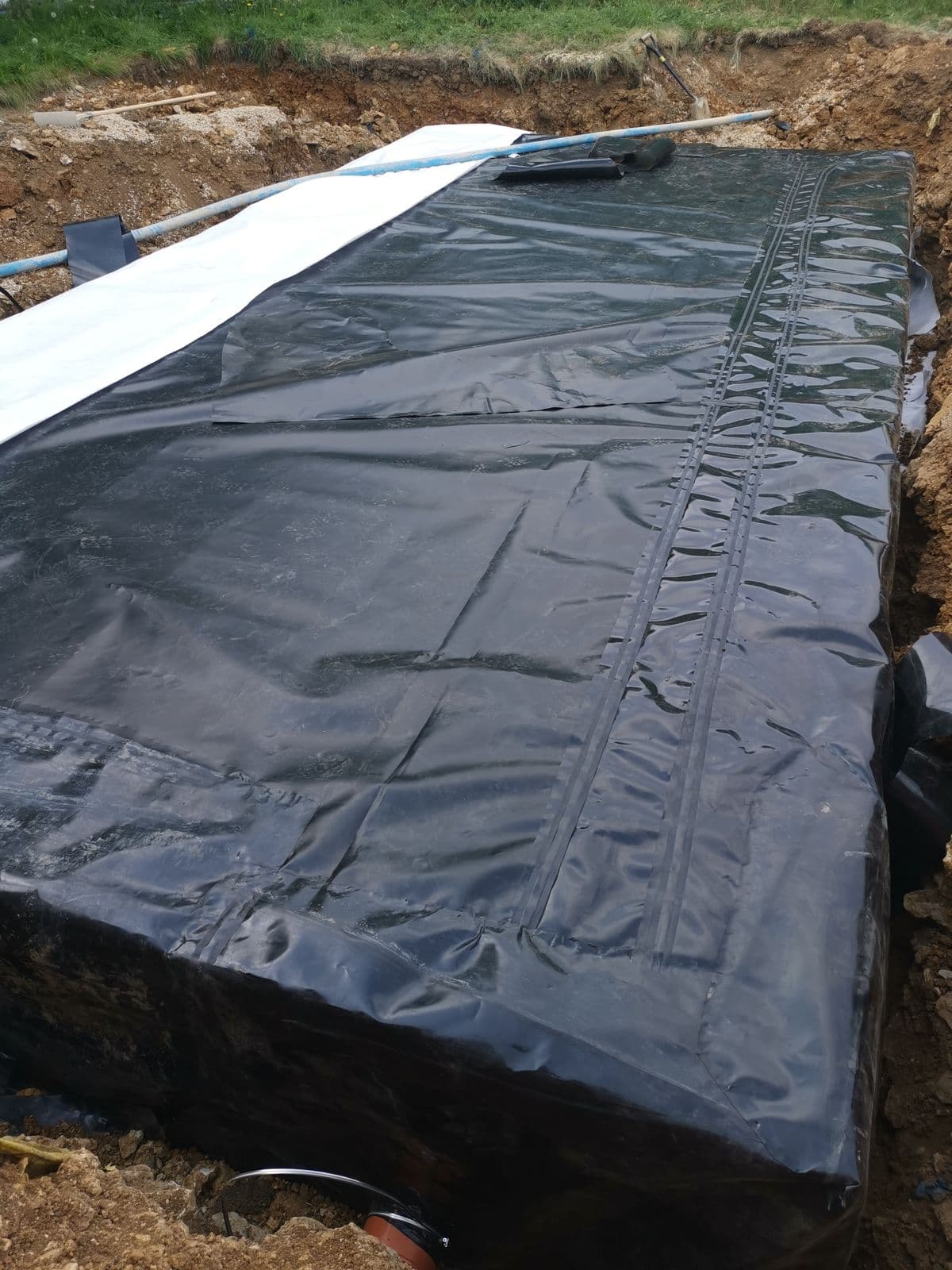
Digging out a silted pit and refilling it with rubble only resets the clock. A geocellular crate soakaway stores much more water in the same footprint, and the geotextile wrap keeps soil fines out of the storage while letting water through.

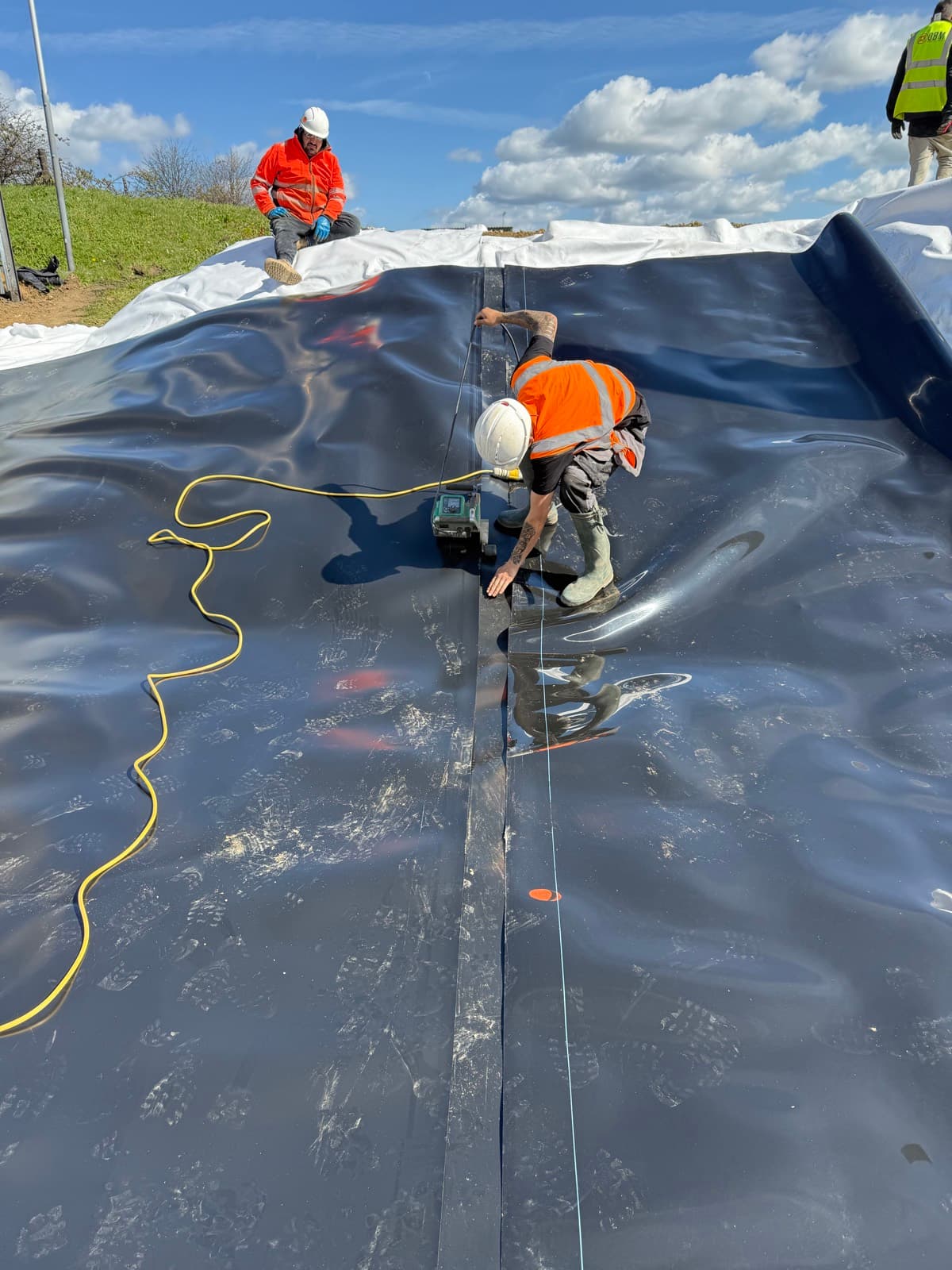
Your engineer sizes it from fresh percolation results, so it matches how the ground drains now. Your groundworker handles the dig and the backfill; between the two we inspect the base, assemble the crates inside their wrap, fit the inlet and silt trap, and leave it closed and documented. Crews come from our Tamworth base, and we supply and install or install only.

Soakaway Installation New Forest

Frequently asked questions

Not on its own if the site is low-lying. Your engineer also needs the winter groundwater level, because the soakaway's base must sit above it in every season.

New hard surfaces and roofs have to drain somewhere that meets Approved Document H, and infiltration comes first where the ground allows it. A crate soakaway at least 5m from the house is the usual way to do it.

No, we don't dig. Your groundworker removes the old pit and forms the new excavation, and we install the crate soakaway into it.

Both. A soakaway for one replacement dwelling or extension gets the same formation check, wrap and handover records as a development-scale system, and our crews travel from Tamworth for either.

Tell us about your project

Quote back within one working day