
Skip to content

Pond Lining · South of England

Pond lining in Dorset

Water drains straight through the heathland sands around Poole and Wareham and disappears into the chalk of the downs, so a Dorset pond that must stay full almost always needs a liner. We supply and install welded linings for ponds, lakes and reservoirs across the county.

Where we install
  • Poole
  • Wareham
  • Dorchester
  • Wimborne Minster
  • Sherborne
  • Shaftesbury
  • Bridport
  • Blandford Forum
  • Sturminster Newton

Base · Tamworth B78 2BP

Sand, chalk and clay make three different ponds

On the Poole Basin sands, out towards Ferndown, Verwood and Wareham, an unlined hole loses water about as fast as it fills. Close to the harbours the opposite problem turns up: groundwater sits near the surface and can push up under a liner. Your designer deals with that pressure in the formation design, and we lay the lining to suit it.

Up on the Dorset Downs and Cranborne Chase, chalk lets water pass down through it. The old dew ponds on the downland were sealed with puddled clay for exactly that reason. A modern pond or reservoir on chalk needs a continuous barrier across the base and banks, with no reliance on the ground.

The Blackmore Vale and the Marshwood Vale are clay country, where a dug pond may hold water for a while. Clay cracks in a dry summer, though, and a pond that has to keep a level for irrigation, fishing or a planning condition is safer with a welded liner under it.
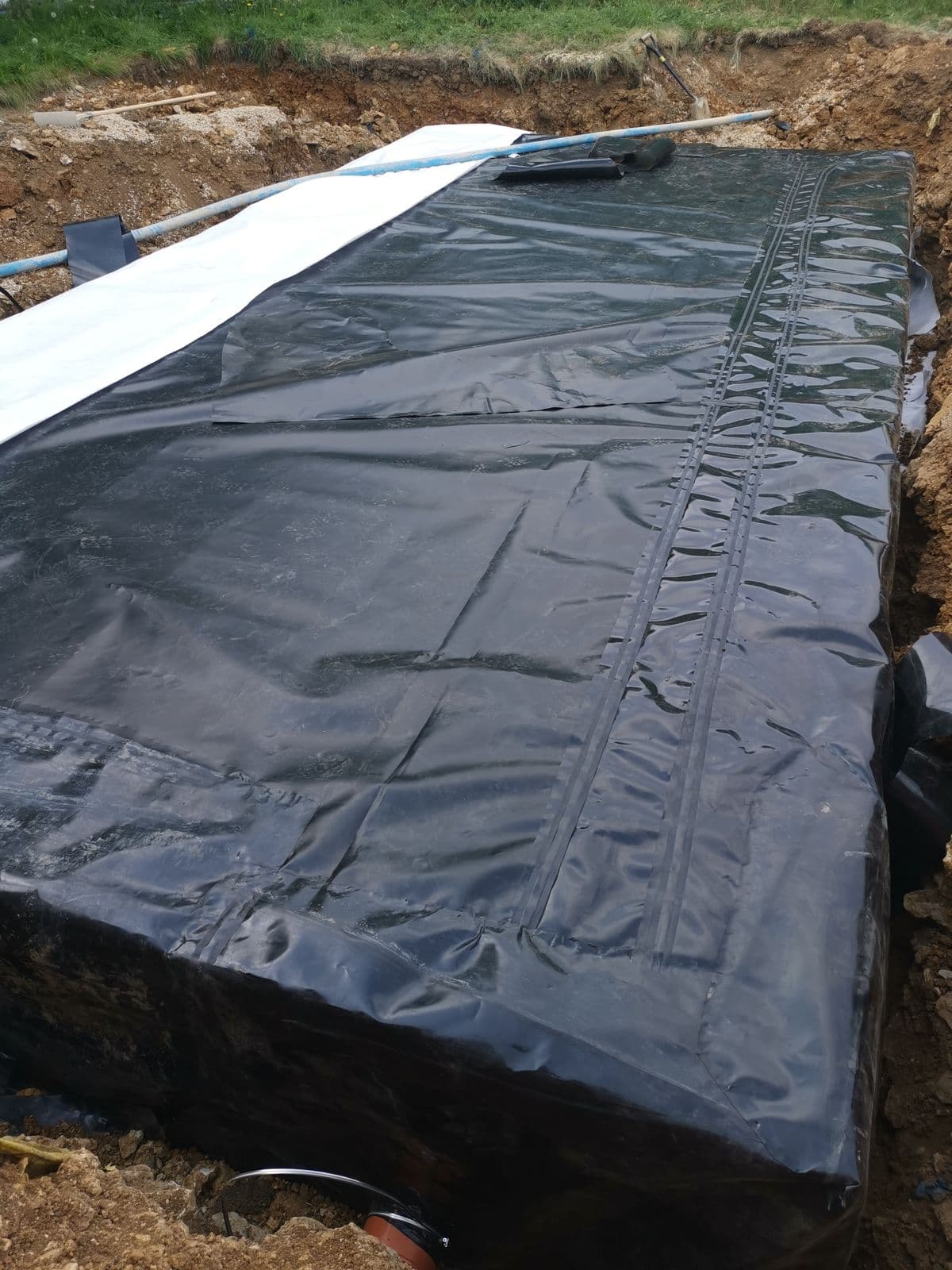
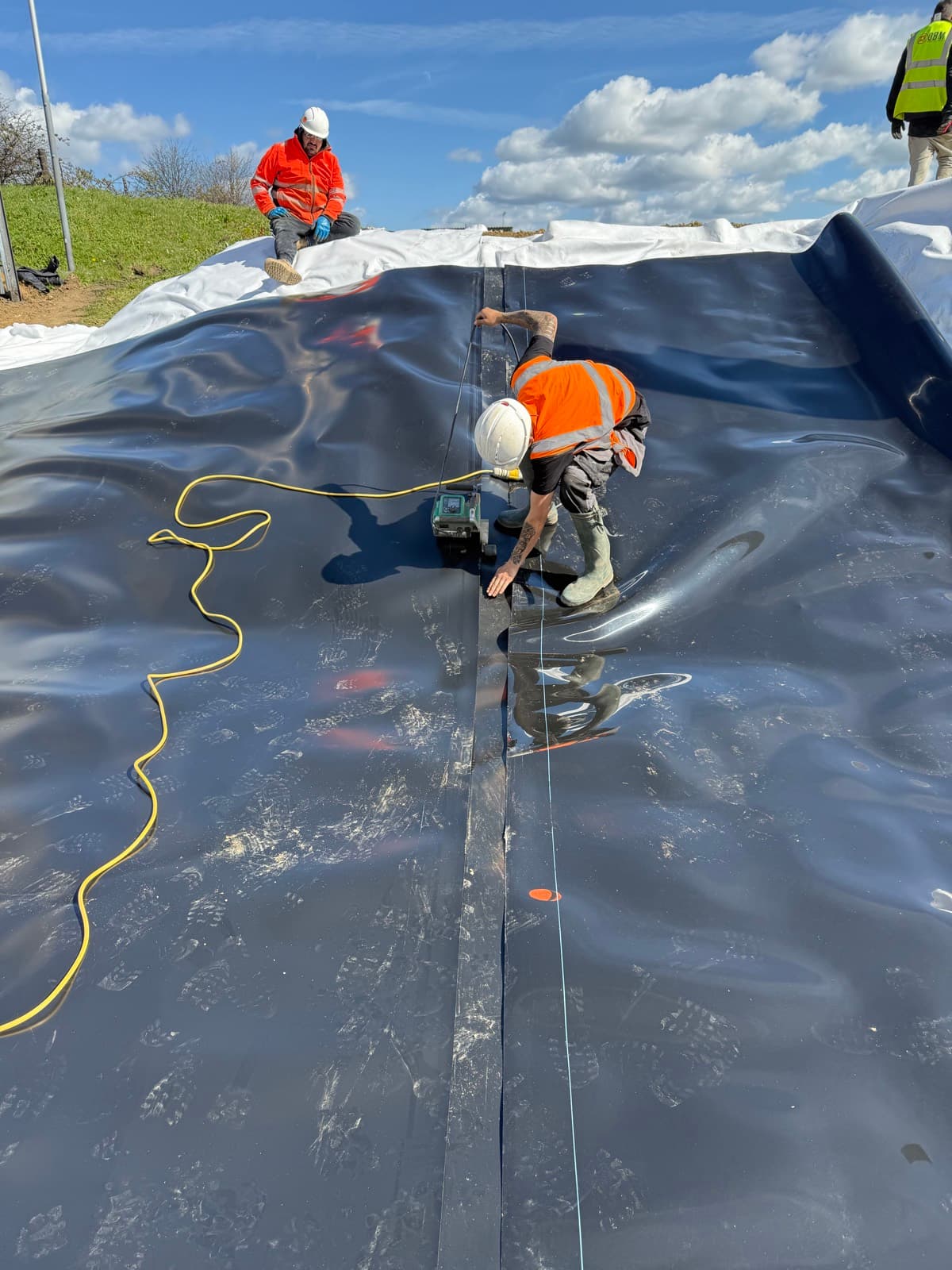
Ponds we line around the county

Most Dorset pond work falls into a few kinds of job, from farm storage to landscape features on new housing.

  • Irrigation reservoirs on arable and vegetable farms on the chalk
  • Lakes and ornamental ponds on country estates and in large gardens
  • Wet ponds and basins on housing schemes around Dorchester, Wimborne and the conurbation edge
  • Fishing lakes, where the bank detail has to cope with anglers on the edge
  • Wildlife ponds on farmland and nature sites

Picking the liner for the job

Size, shape, exposure and what the pond is for decide the material. EPDM suits a smaller ornamental or wildlife pond with tight curves. LLDPE gives weldable panels that follow an uneven formation. PP is a good choice where there are a lot of awkward details. HDPE is the material for a big irrigation reservoir sitting open to the sun and wind on an exposed downland site. If a natural clay bed suits the pond better, we also install GCL.

From formation to handover

We don't dig. The hole is dug, shaped and trimmed clean by your earthworks contractor, and we inspect it before anything goes down. A protective geotextile underlay goes on first, so flints in the chalk or roots in the clay can't work against the membrane. Panels are then wedge-welded, with extrusion welds at the details. Before the main seams start, a trial weld on an offcut is tested and its result written into the Dorset job file.

Inlets, outlets and overflow pipes are sealed through the liner, and the sheet edge is turned down into an anchor trench formed around the crest of the bank. We walk every seam and detail before leaving site, then hand you the weld test records and the rest of the handover documentation. We supply and install, or install a liner you have bought.

Pond Lining Dorset

Frequently asked questions

Usually. We look at the existing liner or bed, find out why it is losing water, then fit a replacement sheet, welded throughout, on new underlay. On free-draining sand a failed liner is nearly always the cause, since the ground itself holds nothing.

Not every one. If the pond can drop in a dry spell, puddled clay may do. If it has to hold a set level, for irrigation or a SuDS condition, a welded liner removes the doubt about cracking and seepage.

HDPE is the usual choice for a large open reservoir, because it stands up best to sunlight and weather on the banks above the waterline. We confirm the material after looking at the size, slopes and use.

Tell us about your project

Quote back within one working day