Skip to content

Gas & Hydrocarbon Membranes · South of England

Gas membrane installation in Dorset

Regeneration around Poole's quays and the edges of the Bournemouth conurbation often means building on made ground or old industrial land. When the site investigation finds that a building needs gas or hydrocarbon protection, our crews lay the barrier it describes.

Where we install
  • Poole
  • Hamworthy
  • Bournemouth
  • Christchurch
  • Weymouth
  • Portland
  • Dorchester
  • Ferndown
  • Wareham

Base · Tamworth B78 2BP

Where Dorset sites need protection

Much of Dorset is clean farmland, but the developed coast is a different picture. Land reclaimed along Poole Harbour, old wharves and boatyards, former depots and filled ground around the conurbation can all give off methane or carbon dioxide or carry hydrocarbons. Former landfill sites on the edges of towns are another common trigger. Around Weymouth and Portland, old port and military land brings its own history.

The decision is not ours to make. A consultant investigates the ground, assesses the gas risk, usually by reference to BS 8485, and writes the required protection into the design along with the class of membrane. We build to that.

  • Made ground and reclaimed land around the harbours
  • Former landfill and infilled pits
  • Old garage forecourts, fuel depots and boatyards with hydrocarbon contamination
  • Sites where the risk assessment flags radon
Laying the barrier

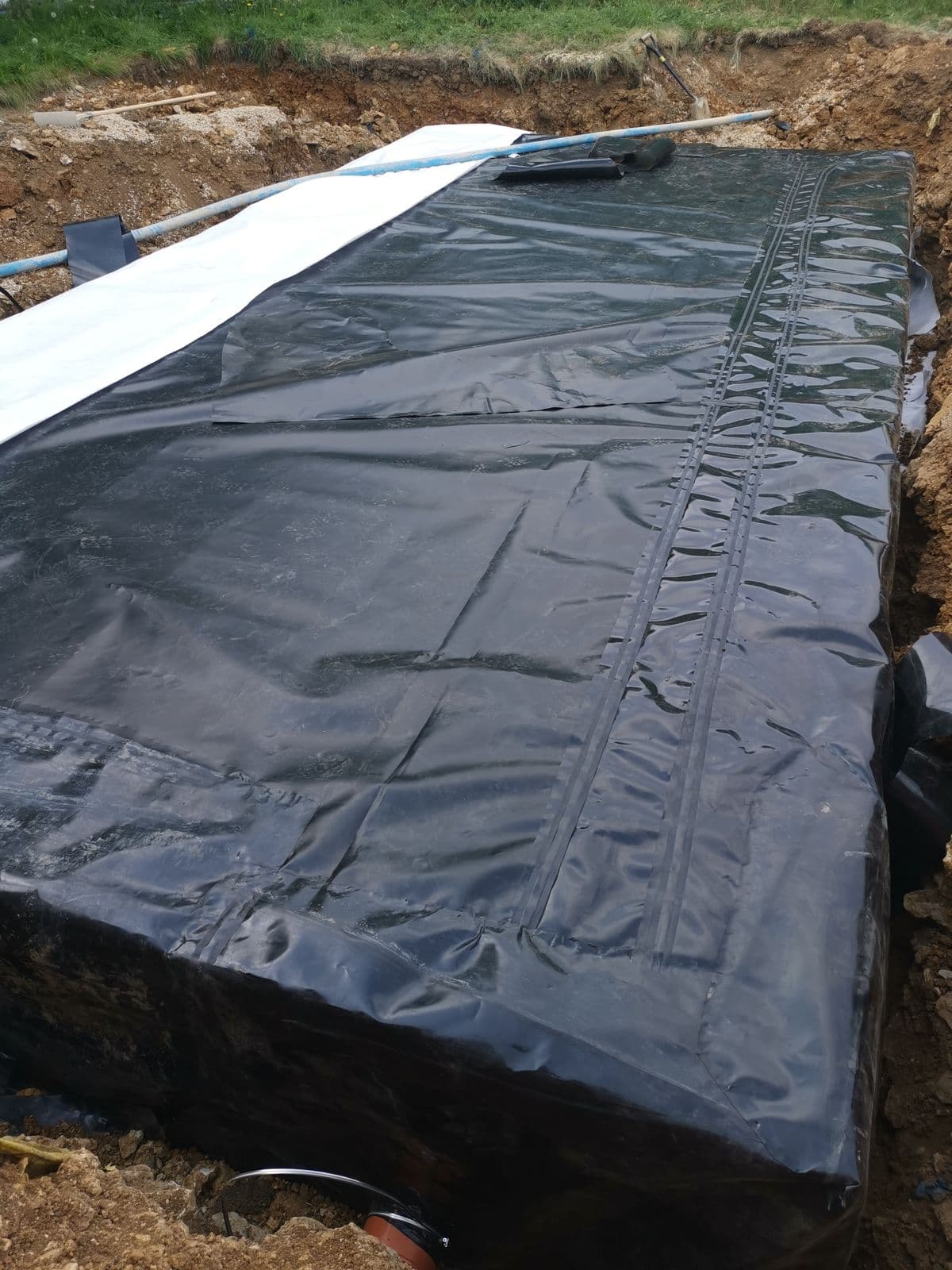
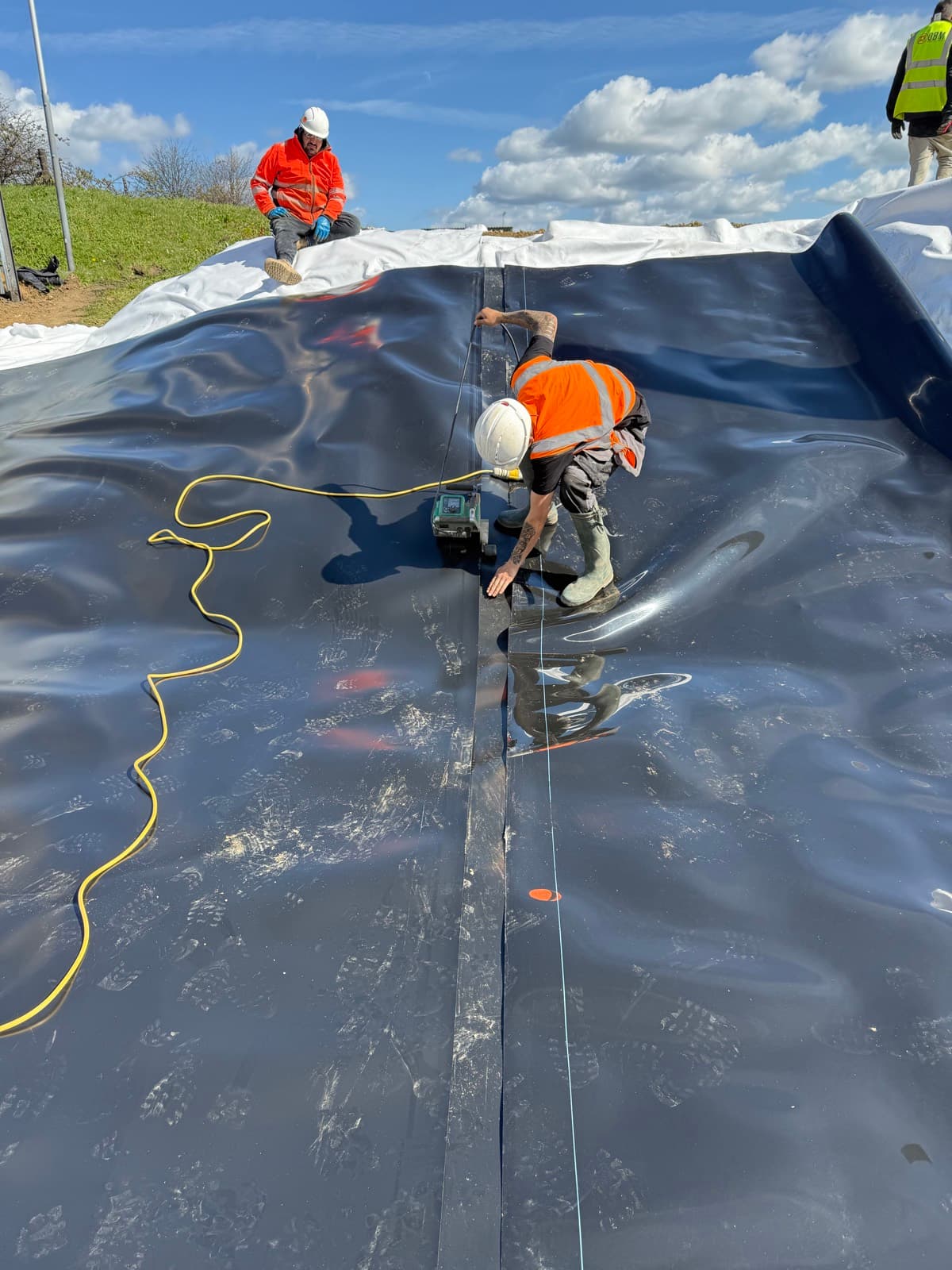
Before we lay anything, we inspect the blinding or slab, because a membrane laid over a sharp or uneven surface can be punctured before the concrete arrives. If it isn't ready, we say so. Each lap is then welded or sealed to the specification on the drawings, and only in weather and conditions that let the joint be made properly.

Penetrations decide whether gas protection works. Piles, service ducts, drainage pipes and columns each get a collar of their own, sealed to the sheet one by one. On a busy Poole site with several trades waiting to pour, that is the part we refuse to rush.

Working alongside the other trades

Gas membranes go down late in the substructure programme, after the piles and drainage and just before the reinforcement and concrete. That puts them in the middle of a crowded site. We agree access with your site manager, ask for services to be in and capped before we start, and inspect any damage left by following trades before the pour, so a tear from a steel fixer's boot is found and repaired rather than buried.

Coastal weather plays a part too. Wind off Poole Bay can lift loose sheet, and wet laps will not seal or weld reliably, so on an exposed site we ballast the membrane as it goes down and stop jointing when the conditions are wrong.

Proving it for the warranty

If the warranty provider or local authority wants proof, we can arrange integrity testing and certification by an independent inspector, which is now common on higher-risk sites. Installation records for the warranty file come with every job.

Gas Membrane Installation Dorset

Frequently asked questions

Only the ground investigation can say. Reclaimed and made ground often contains material that generates gas, so a risk assessment is likely to look hard at it. If it specifies protection, we install it.

That isn't our call. Your geo-environmental consultant and designer set it from the site investigation; we fit the membrane and details they specify and record how it went in.

Not if the site needs gas protection. A plain damp-proof membrane won't stop methane or radon, although a gas barrier usually serves as the DPM too. Check which product class the designer has called for.

On complex slabs with many piles and services, yes. A third-party inspector checks and certifies the installed membrane, which satisfies most warranty providers and protects everyone involved.

Tell us about your project

Quote back within one working day