
Skip to content

Car Park Lining · South of England

Car park lining in Dorset

Near Poole and Christchurch harbours the water table often sits too high, and the ground too disturbed, for a permeable car park to drain into it. We line the sub-base so the paving holds rainwater and releases it to the drains no faster than the design allows.

Where we install
  • Poole
  • Bournemouth
  • Christchurch
  • Ferndown
  • Wimborne Minster
  • Weymouth
  • Dorchester
  • Verwood

Base · Tamworth B78 2BP

When the ground can't take the runoff

Permeable paving is a natural fit for the 2025 national SuDS standards, but in the BCP conurbation it often can't infiltrate. Low-lying land by the harbours and the lower Stour and Avon has groundwater close below the formation. Former industrial land and made ground can carry contamination that rainwater shouldn't flush through. On tight urban plots the car park may also be too close to foundations.

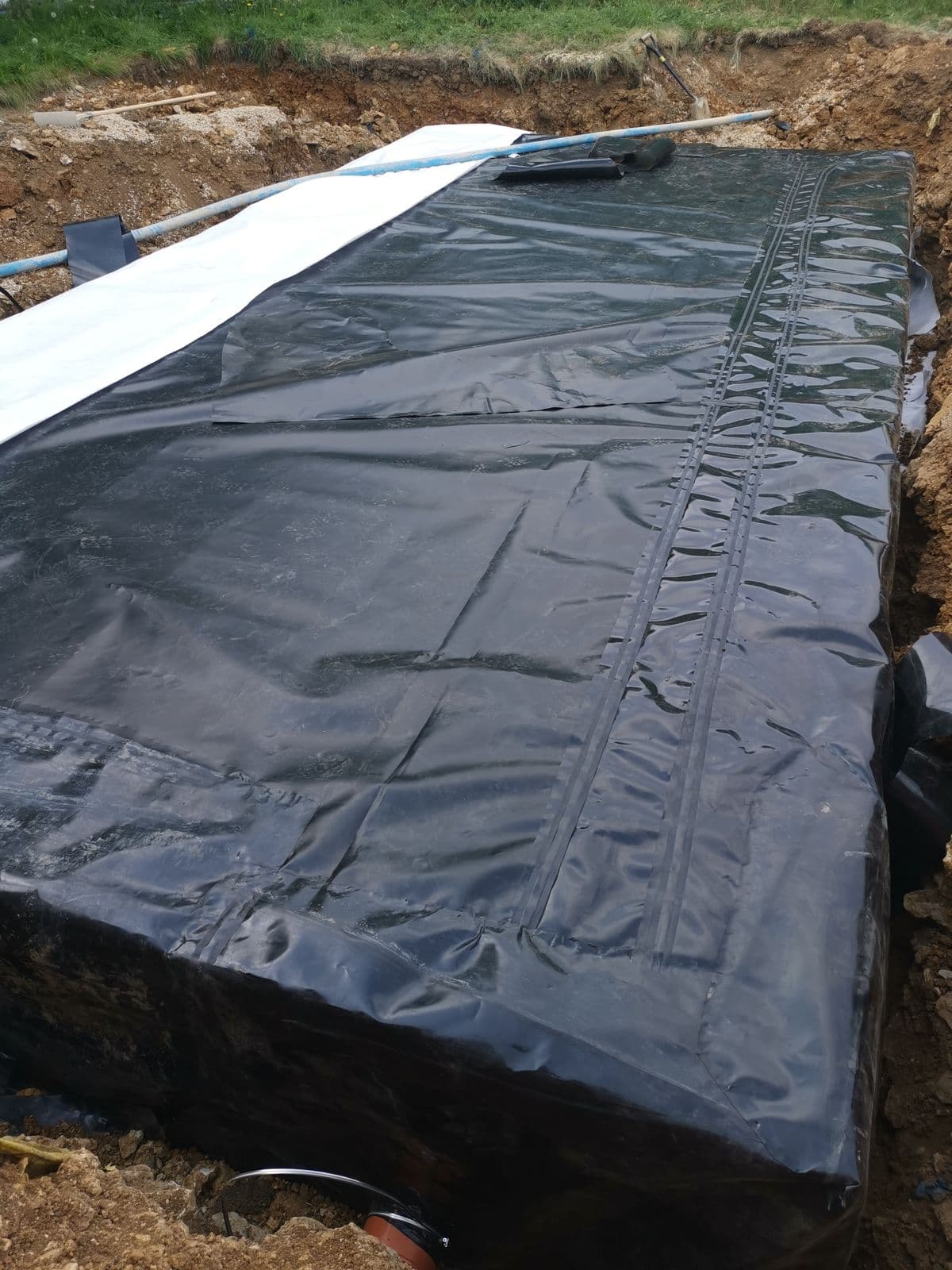
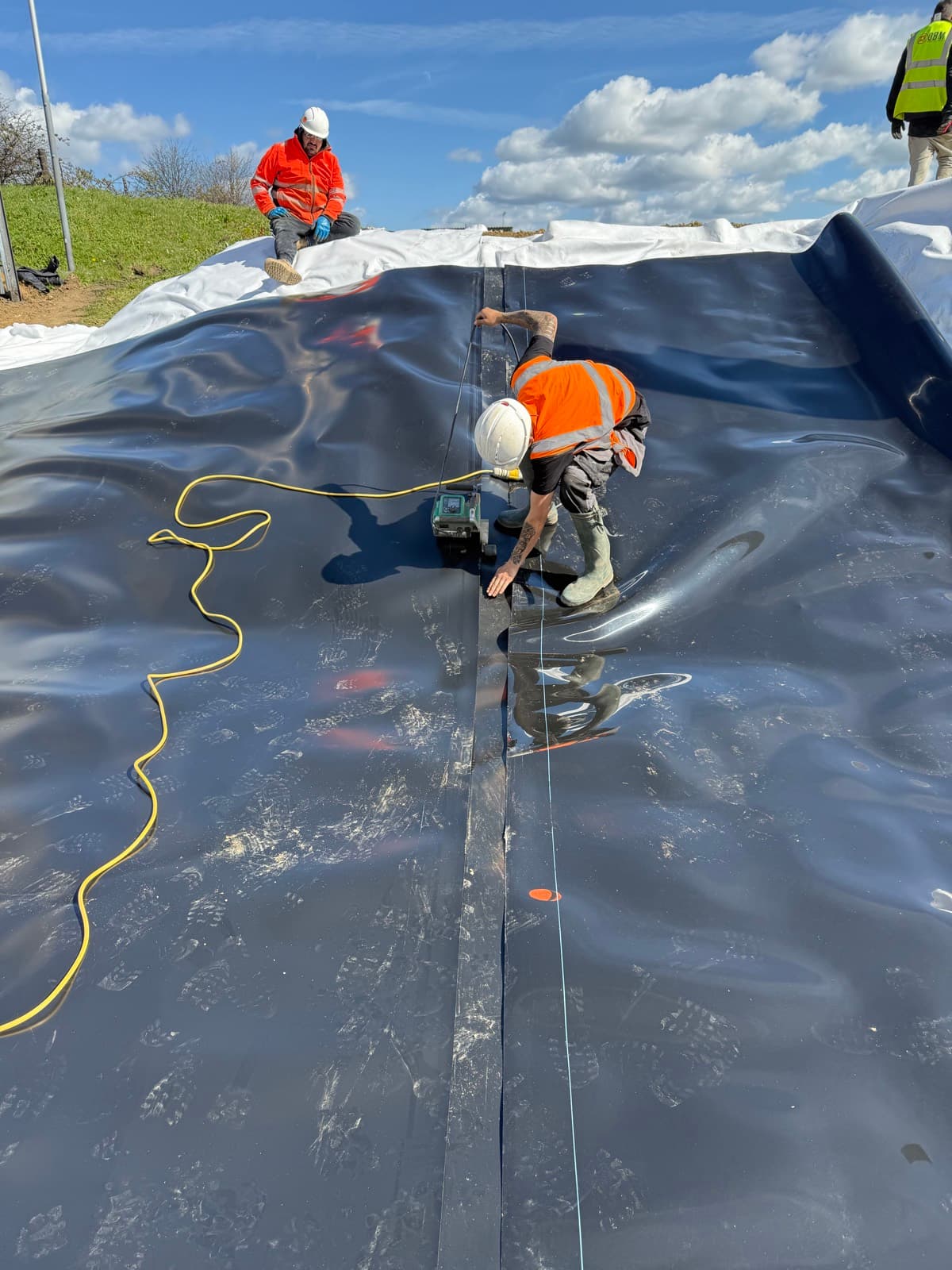
In each case the designer draws a lined pavement instead. The paving still lets rain through and the stone sub-base still stores it, but a welded membrane under the sub-base holds the water until a controlled outlet releases it.
Typical Dorset car parks

The work comes from retail parks and supermarkets, business parks on the edge of Poole and Bournemouth, school and surgery car parks, and visitor parking along the coast. If the depth of stone isn't enough for the design storm, crates are built beneath it, and we install those too, so the lining and the storage go in as one system with one set of records.

Seafront and visitor car parks bring their own constraints: they are often busiest in summer, when owners least want them closed, and they may sit on old made ground behind the promenade. Lining work there is usually planned for the quieter months.

Our sequence on site

The groundworker cuts the formation and trims it so it falls to the outlets. On arrival we walk it, checking levels, falls and any loose stone, and if it isn't fit to line we say so plainly.

  • A non-woven fleece laid over the formation and turned up the side walls
  • LLDPE, HDPE or PP membrane laid out panel by panel and joined by heat welding; tape is never used
  • A trial weld tested and recorded before production welding starts on each car park
  • Outlets, overflows and service entries sealed into the sheet, with the membrane edges finished at the height the designer set
  • An upper geotextile over the membrane before the sub-base goes on

Handing over to the paving crew

We line, weld and document, then hand over. The stone and the paving surface are your contractor's work, and the liner should be covered soon after we leave, so we fit our visit to your programme. The weld records and handover documentation go into the drainage file for the site.

Many Dorset car parks also take water from roofs or an access road. Those pipes are shown on the drainage drawings, and we seal each one where it enters the lined area, so water reaches the stone only by the routes the designer intended and leaves only through the controlled outlet.

Car Park Lining Dorset

Frequently asked questions

Sand can drain well, but close to the harbours the groundwater may be too near the surface, or the made ground may be contaminated. The drainage designer then calls for a lined sub-base that stores the water and releases it at a controlled rate.

It isn't. Our scope ends at the lined, protected formation. Your contractor builds the sub-base and surface on top.

Yes. Where the stone can't hold enough water, crates go in beneath it. We build the crate tank as well, with the lining carried into it, so a single weld log covers the whole installation.

Tell us about your project

Quote back within one working day