
Skip to content

Slurry Lagoons · North West

Slurry lagoon lining near Liverpool

Merseyside farming leans towards arable and vegetables, but there are livestock and dairy units on the Wirral, in West Lancashire and over the border in Cheshire. We line their slurry and digestate stores with welded membranes.

Where we install
  • Thurstaston
  • Greasby
  • Neston
  • Ormskirk
  • Rainford
  • Bickerstaffe
  • Frodsham
  • Helsby

Base · Tamworth B78 2BP

The livestock farms around Merseyside

Liverpool's own boundary holds no slurry lagoons, and we won't pretend otherwise. The demand sits on the farms around it: dairy and beef on the Wirral peninsula, mixed farms on the edge of West Lancashire, and the start of the Cheshire dairy country south of the Mersey. Anaerobic digestion plants also produce digestate that needs lined storage.

On permeable ground like the sandstone and sands of this area, a leaking store reaches groundwater and watercourses quickly. That is why the lining and its records matter as much as the capacity.
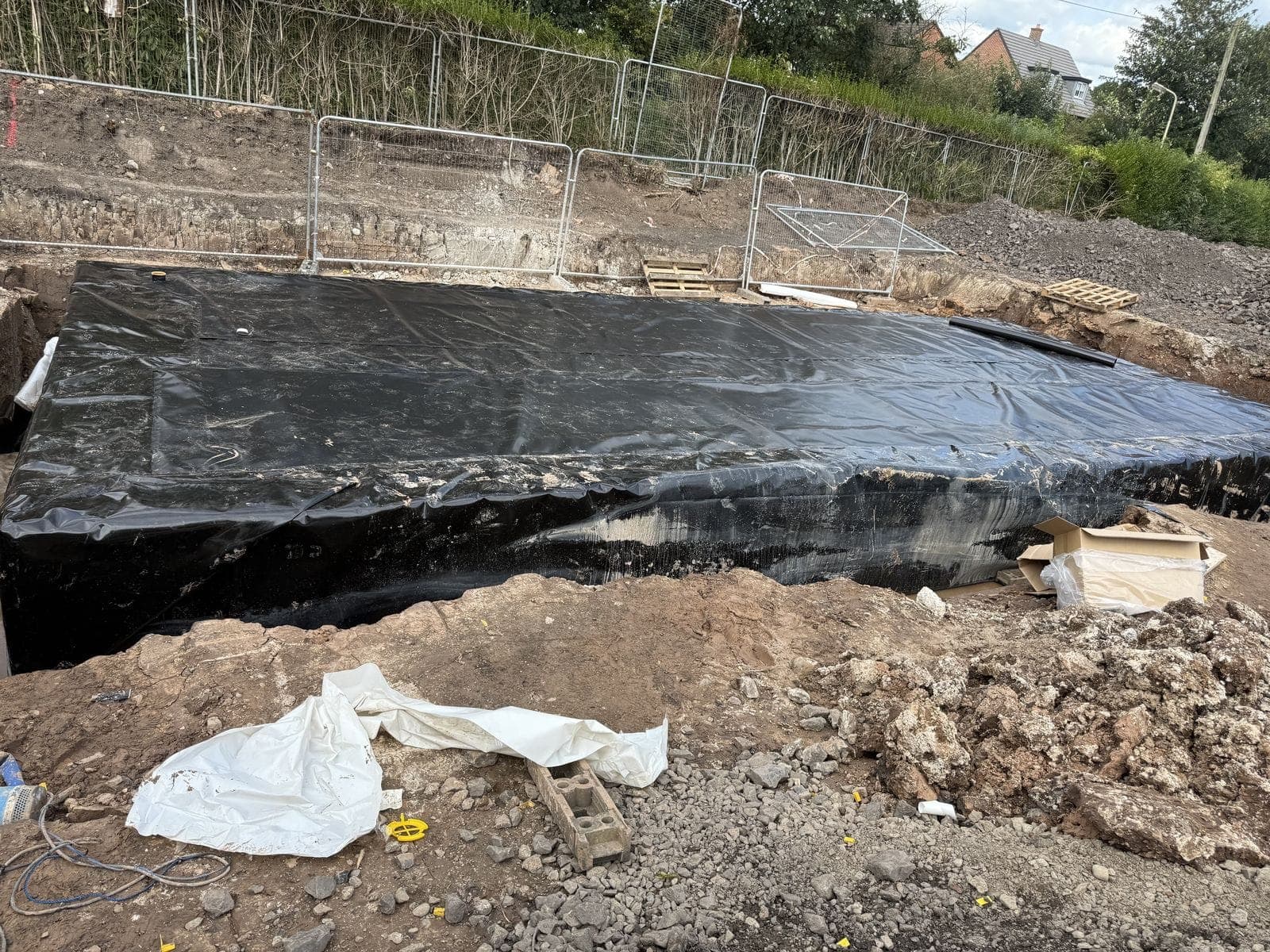
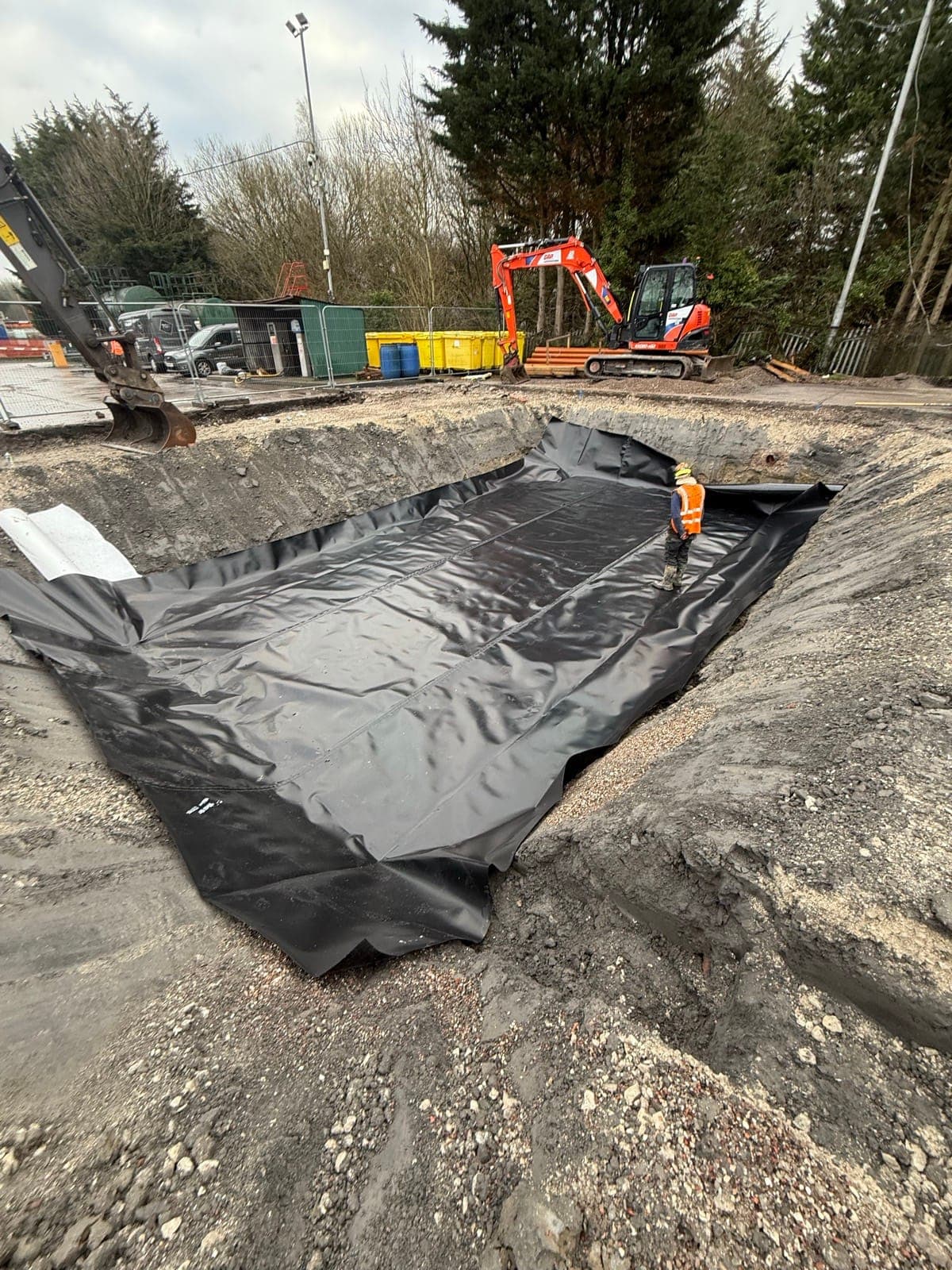
Agreeing the build-up

We start from the design. Nothing is ordered until the capacity, the freeboard and the full lining build-up, down to whether there is a second liner, a leak-detection layer or a cover, are agreed. Your consultant confirms what the storage regulations require for your situation; the lining is built to meet it.

On a Wirral farm with a small herd, that might be fleece and one HDPE sheet. A store taking digestate, or one where the permit asks for proof of tightness, will usually be double-lined.

From fleece to cover

Earthworks are someone else's job, the trenches included. When the store has been shaped, we hold its slopes and crest trench up against our lining drawings, and raise anything that doesn't match before the rolls are delivered.

  • Non-woven fleece across it all
  • Lower liner welded panel to panel
  • Drainage layer where double-lined
  • Upper liner welded on top
  • Fittings and level gauge sealed
  • Floating cover if specified

The compliance pack

Inspectors and insurers want evidence, not assurances. Our QA pack lists every roll and its batch, the seam welding and testing log, the trial weld result and an as-built plan of the lagoon.

Older earth-banked stores on the clay patches of the Wirral and West Lancashire can often be lined rather than replaced. We inspect first; your contractor then rebuilds any tired banks, and we lay and anchor a new welded sheet over them.

Weather off the Irish Sea

The Wirral and the West Lancashire plain are flat and open to the west, and a strong wind can catch a loose panel of liner like a sail. We roll out only what can be welded and weighted down before the end of the shift, use sandbags along every free edge, and stop deploying when gusts make it unsafe. Welding waits for dry sheet: a seam made on wet or muddy liner is a seam we would have to cut out.

None of that is unusual for a farm job, but it is why we plan lagoon work here around the forecast rather than a fixed date.

Slurry Lagoon Lining Liverpool

Frequently asked questions

Yes, and in West Lancashire and north Cheshire. Those are where most of the livestock farms around Liverpool are.

Two welded liners with a drainage layer between them. Any seepage through the top liner runs to an inspection point, so you can prove the store is tight.

Usually, if the existing banks are sound enough to be reshaped. We'll tell you after the inspection.

Yes, where the design asks for one. Shedding rainfall off the surface preserves storage space, and we fit it once the liners are welded and tested.

Tell us about your project

Quote back within one working day