
Skip to content

Gas & Hydrocarbon Membranes · East Midlands

Gas membrane installation in Derbyshire

Derbyshire has two quite different ground gas problems: radon rising from the Peak's limestone, and methane and carbon dioxide from the old coalfield in the east. We install the protection membrane each site's risk assessment calls for.

Where we install
  • Chesterfield
  • Staveley
  • Bolsover
  • Clay Cross
  • Heanor
  • Ilkeston
  • Swadlincote
  • Buxton
  • Bakewell
  • Castleton

Base · Tamworth B78 2BP

Radon in the Peak

Large parts of the White Peak and its fringe are radon-affected, and the rock that makes Bakewell, Buxton and Castleton attractive is the source. New homes, extensions and barn conversions there often need radon protection, set by the assessment for that plot.

On small domestic jobs the membrane runs across the whole footprint and through the walls, and the joints, corners and service entries take as long as the open sheet. A barrier that is continuous except at one pipe is not continuous.

Barn conversions bring their own awkwardness: old stone walls that are rarely square, existing floors broken out to a new level, and drainage runs that cross the footprint at odd angles. Each of those becomes a detail to plan before the sheet is unrolled.
Coalfield and former works

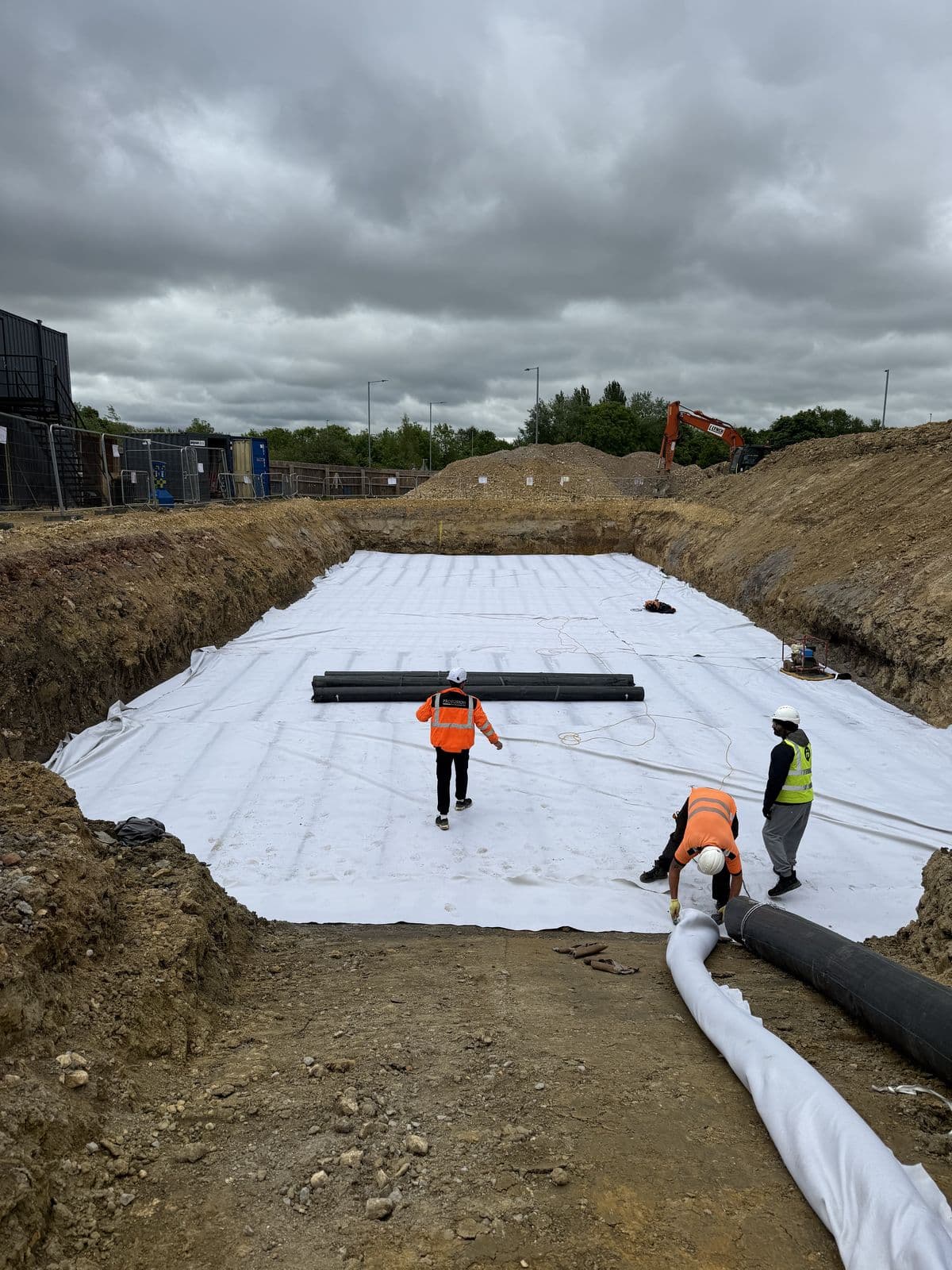
From Chesterfield and Staveley out to Bolsover, Clay Cross, Heanor and Ilkeston, and down to Swadlincote in the south, development lands on shallow mine workings, colliery spoil and restored opencast. Mine gas from that ground is mostly methane and carbon dioxide, while old coking, chemical and engineering works leave hydrocarbons in the soil as well.

Your consultant monitors the site and classifies it under BS 8485, then combines the slab, any sub-floor venting and a membrane into a protection score. Where hydrocarbons are present, the specified membrane has to resist them as well as gas, and we install a product rated for both.

How the membrane goes in

The sheet is laid in the short window after the groundworker finishes and before the concrete arrives, which puts it squarely on the critical path. Our routine on every plot:

  • Blinding or slab surface inspected for anything that could puncture the sheet
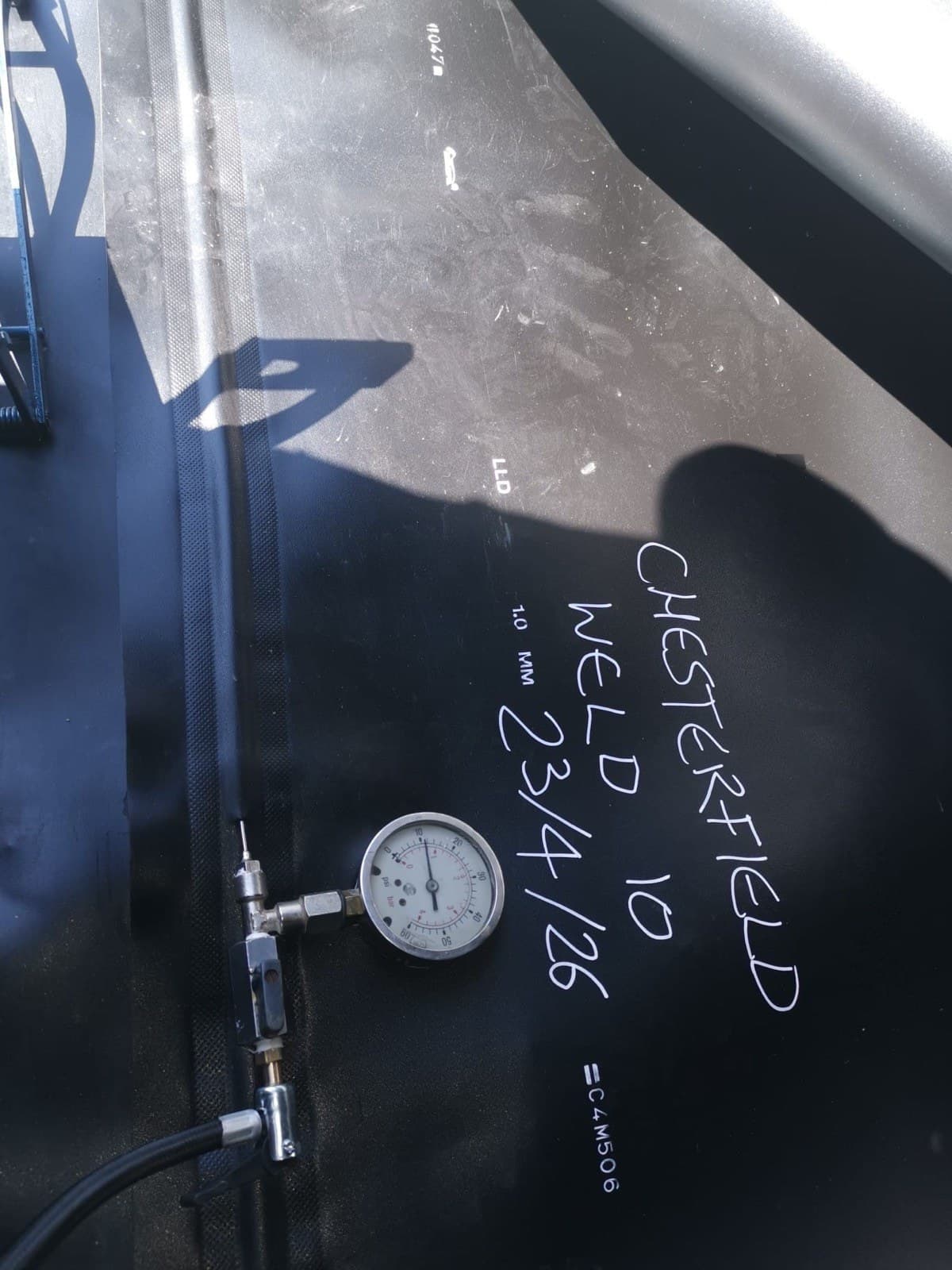
  • Laps welded or sealed to the specification, in conditions that allow a sound joint
  • Each pile cap, service duct and structural penetration given its own collar and seal
  • Testing and sign-off by an independent verifier where the design or warranty asks for it
  • Installation records handed over for building control and the warranty

Fitting the programme

Chesterfield, Ilkeston and Swadlincote are all within easy reach of our Tamworth base, which helps when a pour date moves at a day's notice. On a phased housing site we work plot by plot behind the groundworker, and where a verifier is booked, nothing is covered until they have signed off.

Gas Membrane Installation Derbyshire

Frequently asked questions

Often, but the assessment for the property decides the protection level. If a membrane is required, we install it with the penetrations sealed and records for building control.

The gas monitoring and BS 8485 assessment by your consultant. We install the membrane and detailing that assessment calls for.

Not as gas protection. A gas-resistant membrane will normally keep damp out too, but ordinary damp-proofing sheet won't stop radon or methane, so the product has to match the class in the specification.

Yes. A verifier can inspect and test the membrane before the slab is poured, and many warranty providers now expect that on higher-risk Derbyshire sites.

Tell us about your project

Quote back within one working day