
Skip to content

Gas & Hydrocarbon Membranes · North West

Gas membrane installation in Preston

Preston's riverside, dock and mill land has been built on before, and some of it brings ground gas or hydrocarbons with it. We install gas and hydrocarbon membranes under new buildings across the city to whatever protection level the risk assessment calls for.

Where we install
  • Ashton-on-Ribble
  • Riversway
  • Deepdale
  • Ribbleton
  • Lostock Hall
  • Bamber Bridge
  • Leyland
  • Chorley
  • Penwortham

Base · Tamworth B78 2BP

What lies under the old town

The city grew on cotton and the river. The former docks on the Ribble, the old mill districts, railway land along the West Coast Main Line, gasworks sites and filled ground all turn up in site investigations, and made ground of that kind can produce methane and carbon dioxide or hold fuel and oil residues. To the south, around Chorley and on towards Wigan, the Lancashire coalfield adds old mine workings to the list.

None of that means every Preston site needs protection. The site investigation and the gas risk assessment that follows it make the call, and the specification comes out of them.
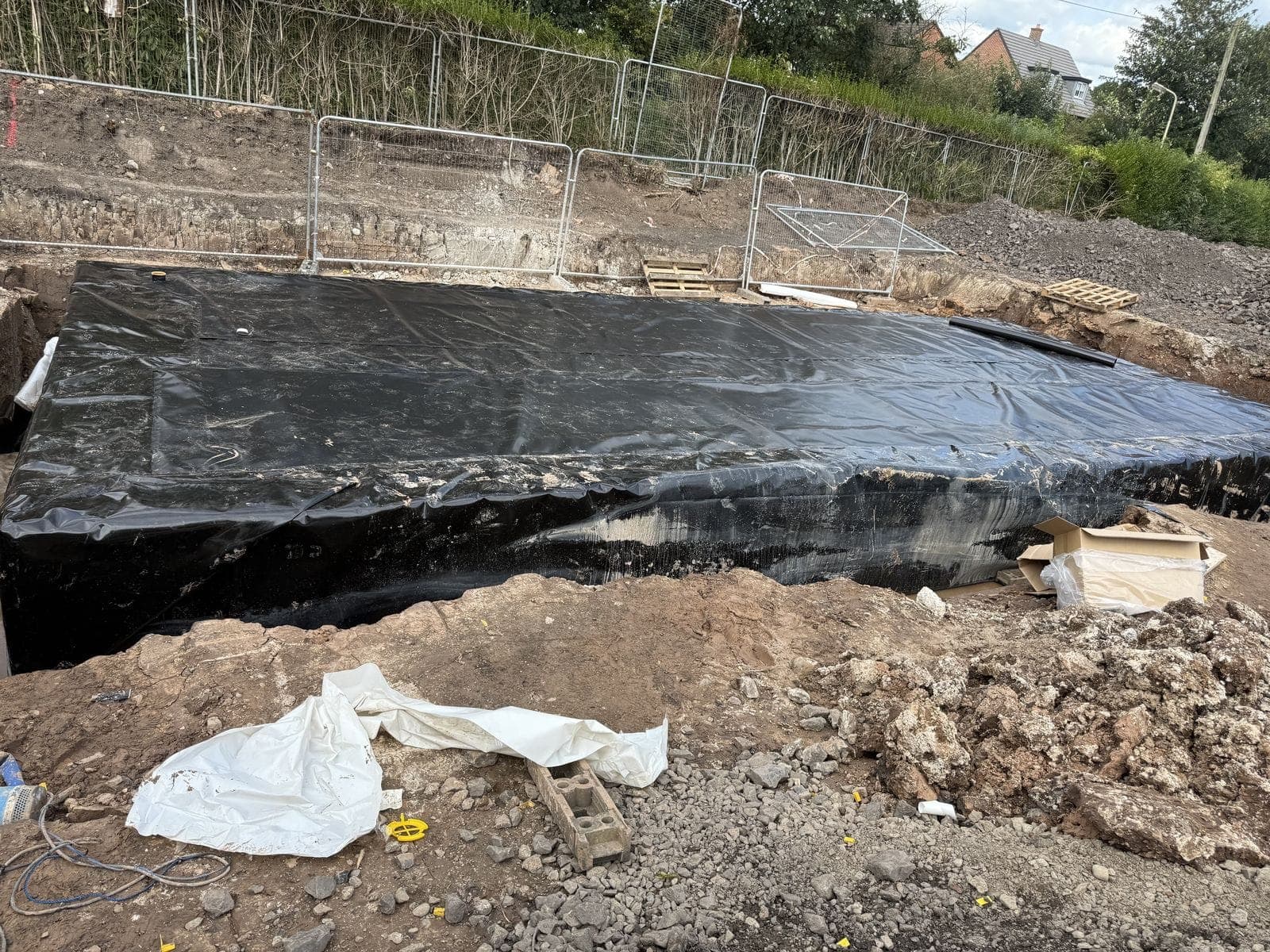
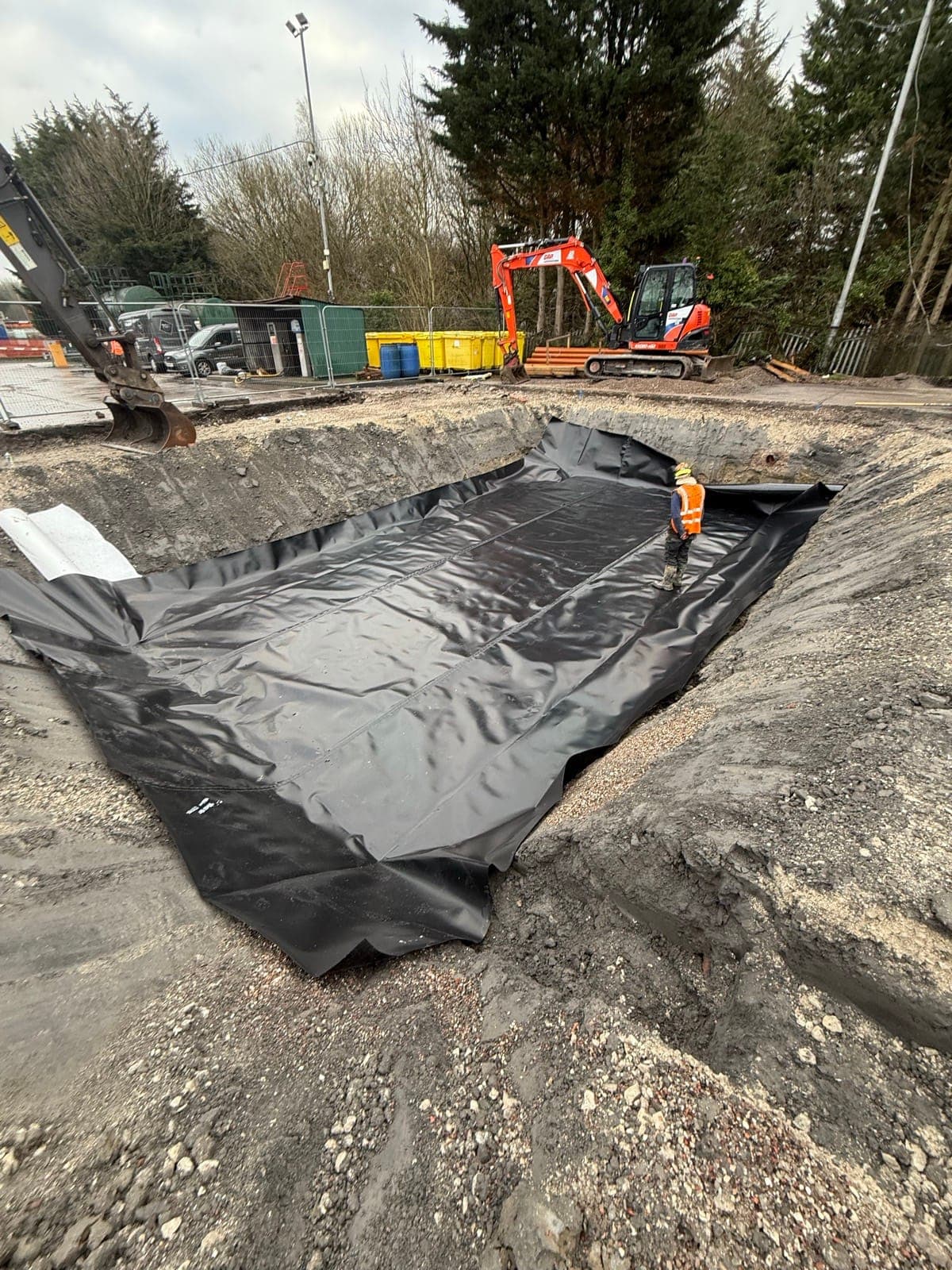
Laying to the product's rules

We inspect the slab or blinding before anything is laid. A sharp edge or loose stone under a gas barrier is a puncture waiting to happen, and if the surface isn't fit for the membrane we say so.

Laps are welded or sealed, as the product's specification requires. They aren't rushed and aren't made in conditions that will spoil them, which on a damp Lancashire morning can mean waiting for the surface to dry.

Where the hours go

Most of the time on a gas membrane job is spent on the details rather than the open sheet:

  • Pile heads and caps, each collared and sealed on its own.
  • Drainage, water and power entries, every one with its own detail.
  • Lift pits, steps in the slab and junctions with walls.
  • Laps at changes of level, where a barrier is easiest to stretch or tear.

Tight plots in the city centre

Infill and regeneration sites in central Preston rarely have space to spare. The piling rig, concrete deliveries and the frame gang all want the same ground, so we lay in sections as each area of blinding or slab is released, and agree with the site how finished membrane will be protected from the trades that follow.

If you want the installation checked, we can arrange integrity testing and an independent validator who inspects and certifies it. On higher-risk sites warranty providers and building control often expect that. The records of what was installed, and where, are handed over for the warranty provider.

BS 8485 sets out how a protection level is arrived at. That part belongs to the designer; we install what it produces, and if the drawing and the site don't agree, we raise it before laying rather than after.

Gas Membrane Installation Preston

Frequently asked questions

That depends on the site investigation, not the postcode. Made ground and former industrial use often lead to a specified protection level, but your consultant's assessment is what decides.

Usually, yes: a gas-resistant membrane normally does a DPM's job too. The reverse doesn't hold, so the product must be the one the specification names rather than a standard damp-proof sheet.

Yes, where the specification calls for one. Hydrocarbon protection uses different products from a basic gas barrier, and we fit the product class the designer has chosen.

Tell us about your project

Quote back within one working day