
Skip to content

Gas & Hydrocarbon Membranes · North West

Gas membrane installation in Manchester

Manchester was built on coal, cotton and chemicals, and much of its new housing goes onto the ground they left behind. Our crews fit the gas or hydrocarbon barrier your risk assessment calls for, to the level it sets.

Where we install
  • Ancoats
  • Salford
  • Wigan
  • Bolton
  • Oldham
  • Ashton-under-Lyne
  • Leigh
  • Openshaw
  • Trafford Park

Base · Tamworth B78 2BP

What lies under Manchester's brownfield

Coal was mined under east Manchester as well as around Wigan, Bolton and Oldham, and abandoned shafts and seams beneath them may vent methane or CO₂ into the ground above. Elsewhere the risk comes from what was put into the ground: made ground behind mills and dye works, filled canal arms, tipped land, former gasworks and old fuel depots that leave hydrocarbons in the soil.

None of that rules a site out. The ground investigation measures what is there, and the risk assessment, usually framed around BS 8485, sets the protection the building needs. We install to that specification and don't second-guess it.
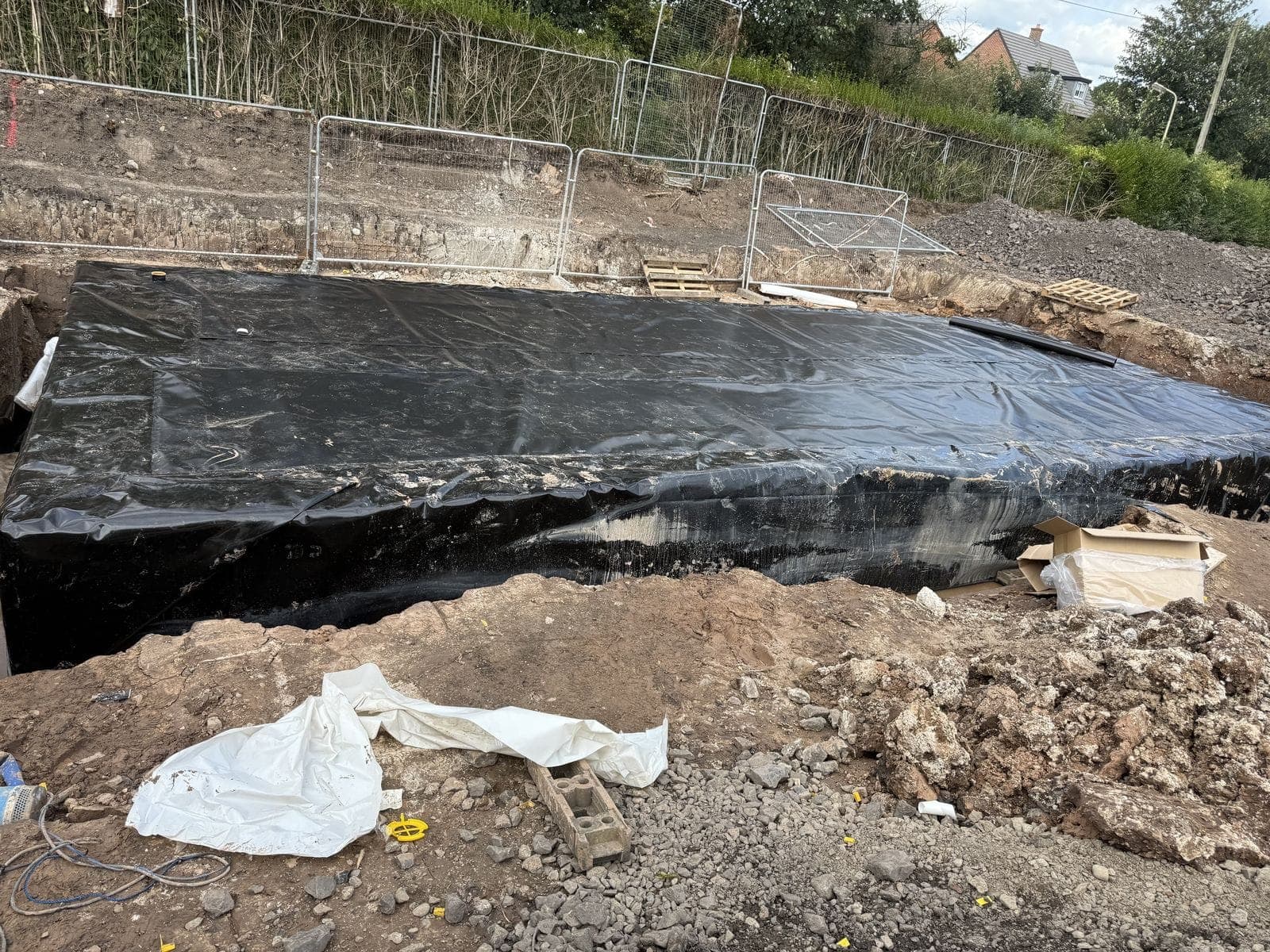
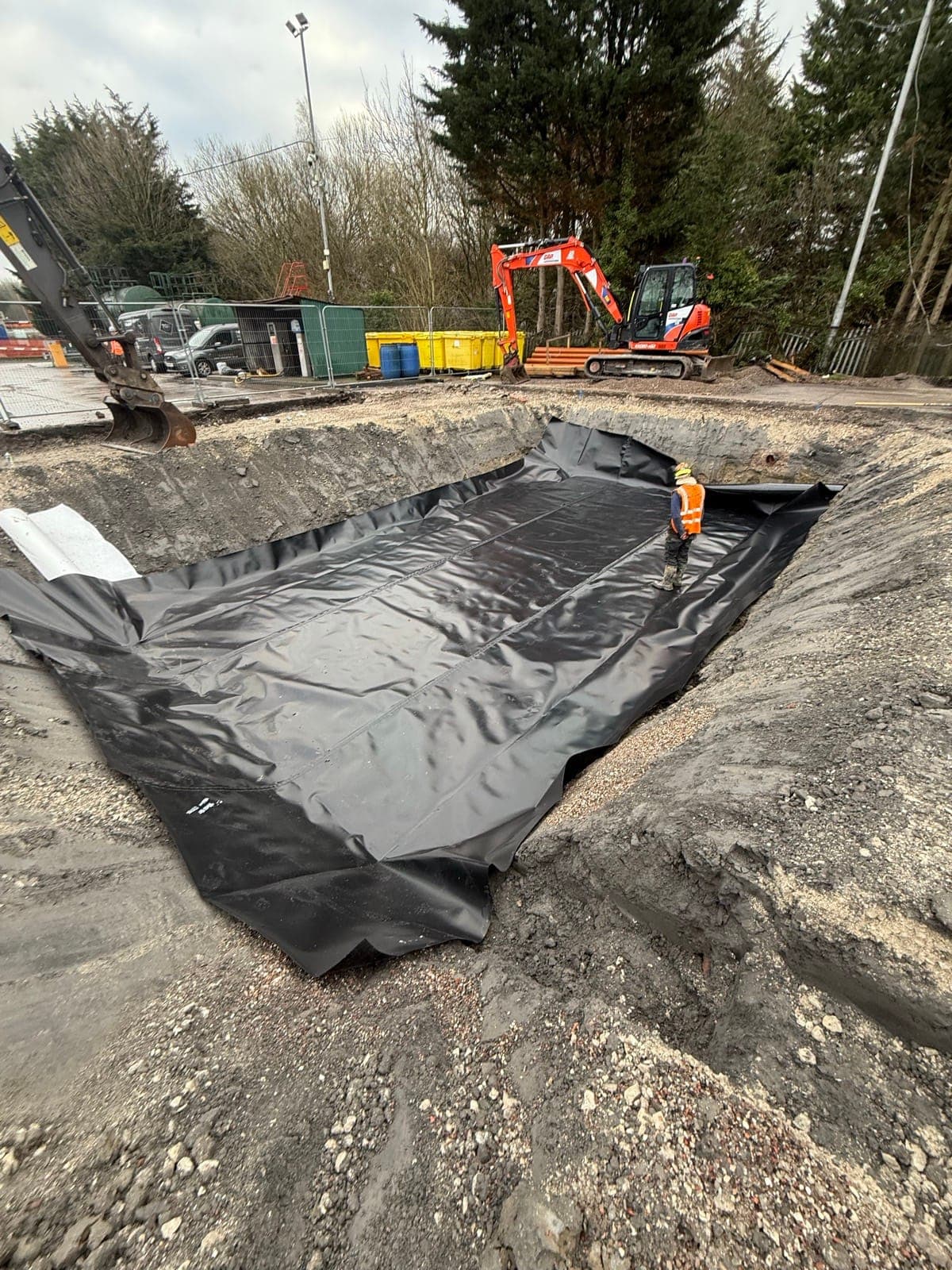
Piled blocks and busy slabs

City-centre apartment schemes in Ancoats, Castlefield and Salford stand on piles, and every pile cap, drainage run and service duct is a hole in the barrier. Gas protection succeeds or fails at those holes. We collar and seal each one individually, and treat the laps around them with the same care.

  • Substrate inspected before we lay
  • Joints welded or sealed to the spec
  • Each pile cap and duct collared
  • Integrity testing if specified
  • Independent validation on request

Keeping pace with the frame

On a tight city plot the membrane sits on the critical path between groundworks and the slab pour. We plan the visit around your programme, agree which areas are ready, and work zone by zone so the concrete gang can follow on behind a finished, recorded section.

Laps made in rain or on a dirty substrate are the most common failure we see, so we keep the working area clean and stop where conditions would compromise a joint. If the blinding is rough enough to puncture the sheet, we say so before laying rather than after.

Validation and the warranty file

Warranty providers and building control increasingly expect third-party verification on higher-risk sites. An independent inspector examines the barrier once it is down, tests it where required and issues a certificate, and we can bring one in as part of the job. Either way you get installation records showing what was laid and how every detail was sealed.

Those records matter later too. When a buyer's surveyor or a lender asks how a block on former mill land was protected, the answer is in the file.

Where the membrane sits

The designer decides the position. On some Manchester schemes the barrier goes on blinding beneath a ground-bearing slab; on others it sits over a suspended slab, below the screed. Either way the same rules apply: a clean, smooth surface, laps finished properly and every penetration given its own seal.

Gas Membrane Installation Manchester

Frequently asked questions

No. Coalfield history raises the question, and the site investigation answers it. If protection is specified, that is what we install.

Yes. Every cap is detailed as its own seal, and the records show each one. It takes time, and we build that into the programme with you.

Usually, yes: most gas barriers resist damp as well. An ordinary DPM, though, is no substitute for gas protection, so the specification decides the product class.

Once the caps are cast, the blinding or slab is ready and the area is clear of other trades. We like to see the area a day or two ahead so the collars and preformed pieces arrive with us.

Tell us about your project

Quote back within one working day