
Skip to content

Pond Lining · Yorkshire

Pond lining in Sheffield

Sheffield grew up around water held behind dams on its fast little rivers, and it still has a lot of ponds. We line new ones and reline leaking ones, from housing-estate wildlife ponds to irrigation reservoirs on farms west of the city, with every seam welded.

Where we install
  • Stannington
  • Loxley
  • Bradfield
  • Wharncliffe Side
  • Ecclesall
  • Grenoside
  • Ecclesfield
  • Norton
  • Hackenthorpe

Base · Tamworth B78 2BP

A city of mill dams

Before steam, the Rivelin, Loxley, Porter and Sheaf drove hundreds of grinding wheels and forges, each fed from a dam pond. Plenty of those ponds survive in parks and wooded valleys, and they are a reminder that holding water on sloping, stony ground has always taken work.

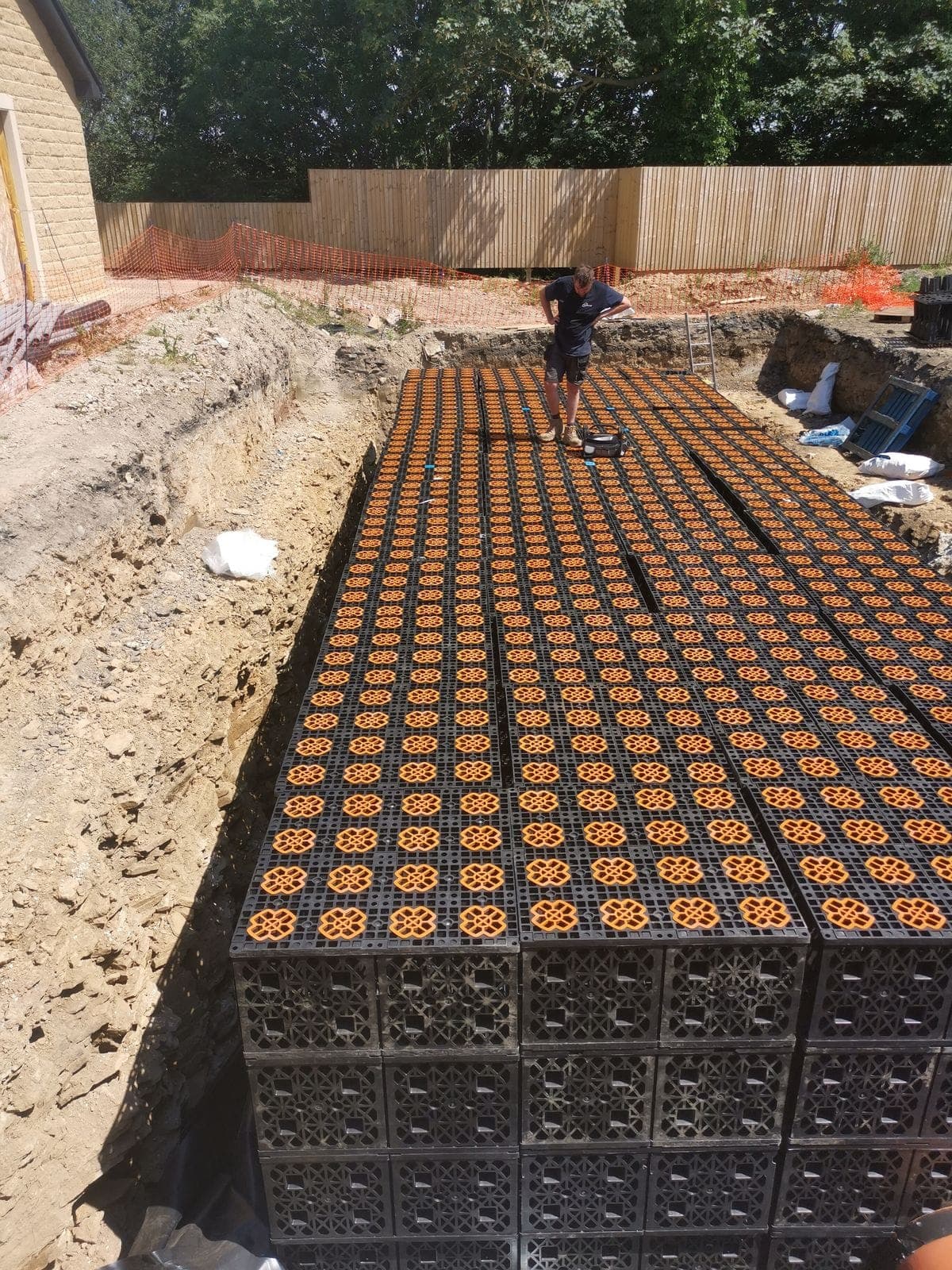
Today the requests are more varied. Developers want wildlife and amenity ponds as part of the landscaping on new housing. Farms and smallholdings on the moorland edge want storage for livestock or irrigation water. Fishing lakes, garden ponds on large plots and old ponds that have begun to leak make up the rest.
Choosing the sheet

The pond decides the liner. EPDM is soft and forgiving, which suits a smaller wildlife or ornamental pond with curves and shelves. LLDPE welds into large panels and follows an uneven bed well. PP handles fiddly outlines and detailing. HDPE is the tough option for a big reservoir or one with long, exposed banks. Where a natural clay bed is wanted, a GCL may suit better, and that has its own page.

Thickness follows the same logic, from around 1mm on a modest garden pond to 2mm on a farm store that cattle may walk to the edge of.

Stones in the formation, slopes at the edge

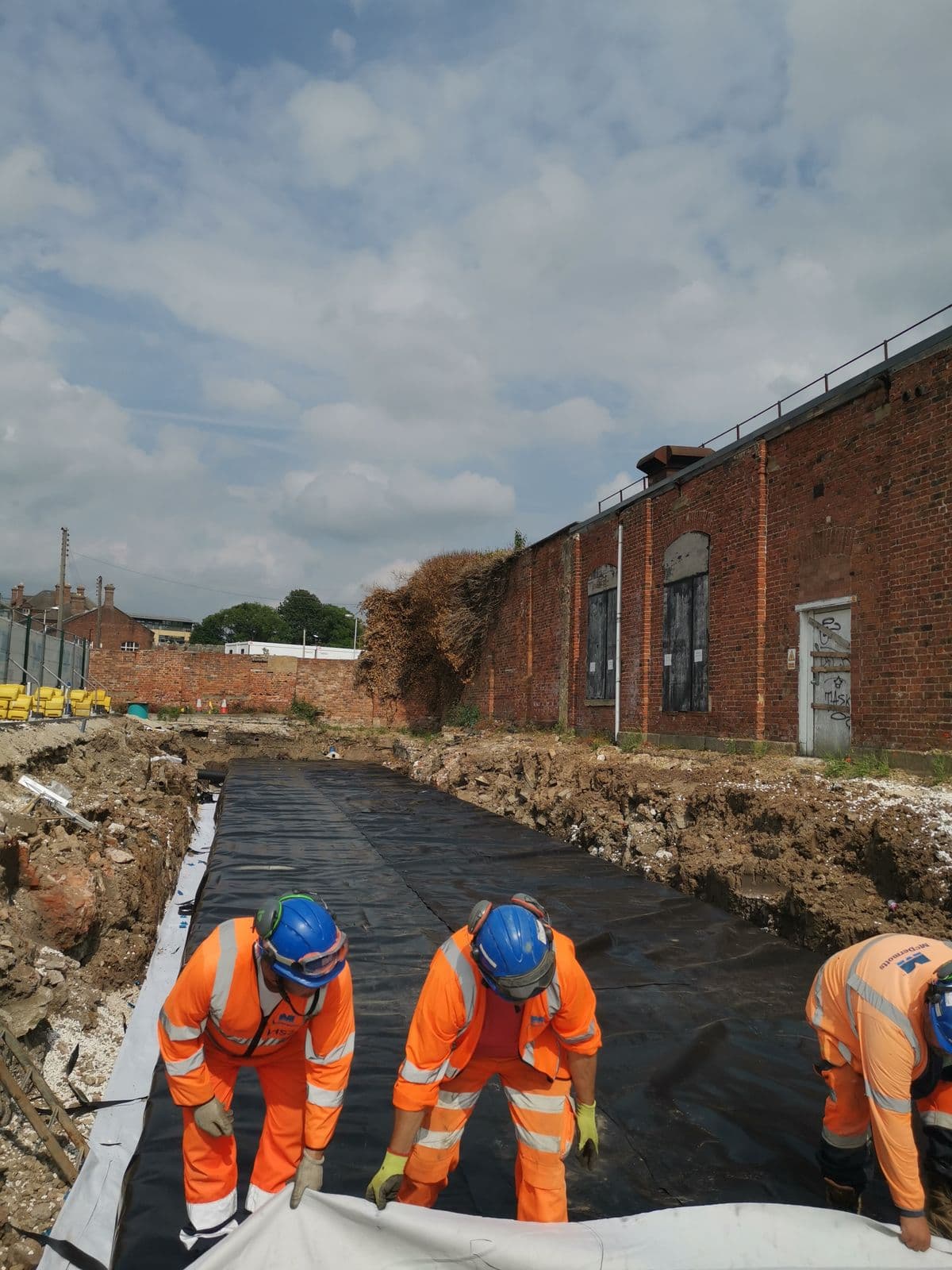
Sheffield ground throws up sandstone slabs, gritstone boulders and broken brick, and any of them will work through a liner given time. The groundworker trims and clears the formation; we look it over, then lay a protective geotextile underlay before the membrane goes anywhere near it.

Banks here are often steeper than the textbook would like because the land is. A membrane can be dressed up a steeper bank than a clay liner can, and its outer edge is buried in a trench dug along the crest so it can't creep down into the water.

  • Panels laid out and wedge or extrusion welded on site
  • A trial weld made first and written up, on every pond
  • Inlets, overflows and pipe penetrations sealed into the liner
  • The crest trench backfilled over the edge, then weld records handed to you

When an old pond starts leaking

Many leaking ponds we hear about were lined with taped joints or laid straight onto stony ground with no underlay. We inspect what is there, find the likely cause, and put a new welded system in over fresh protection, rather than patching a liner that is failing along its seams.

Pond Lining Sheffield

Frequently asked questions

Yes. Membrane copes with steeper banks than a clay liner, and the edge is held in a trench at the top. How steep the banks should be is for your designer and groundworker to settle; we line what is formed.

Not if it is cleared and the underlay goes down first. We check the formation and won't lay membrane straight onto stone.

Yes, for livestock and irrigation water. HDPE or LLDPE is the usual choice for a larger store, welded in panels with the trial weld written up on the day.

Often, yes, after we have inspected it. Whether any heritage or ecology consent is needed is for the owner to confirm before work starts.

Tell us about your project

Quote back within one working day