
Skip to content

GCL Pond Lining · Yorkshire

GCL pond lining in Leeds

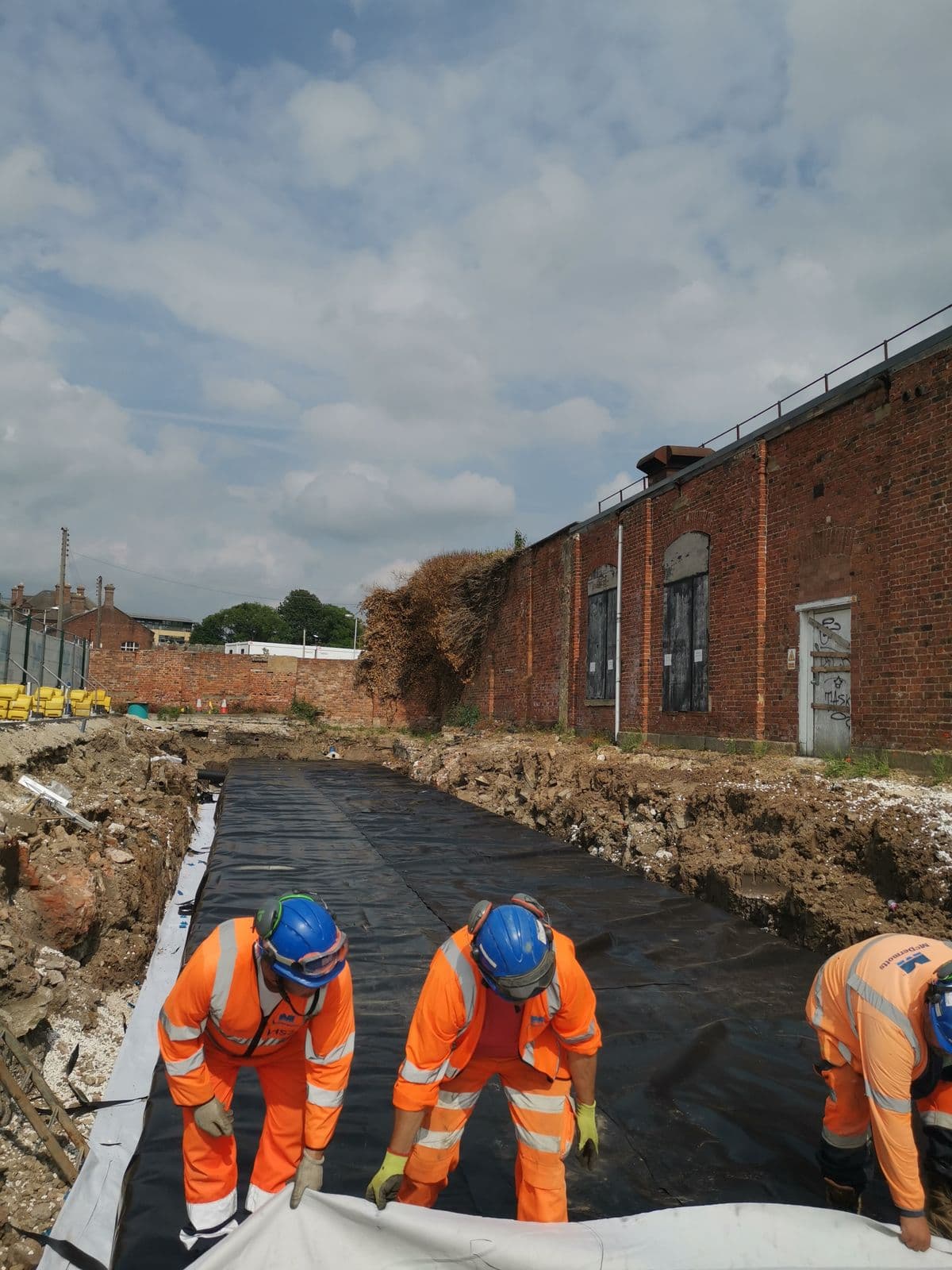
Around Leeds, GCL is usually chosen for wildlife and amenity ponds where a soft, natural bed matters more than a hard edge. We check the water suits bentonite, lay the rolls with bentonite in every overlap, and leave the bed ready for your contractor's soil.

Where we install
  • Morley
  • Rothwell
  • Horsforth
  • Alwoodley
  • Scholes
  • Barwick-in-Elmet
  • Garforth
  • Swillington
  • Seacroft

Base · Tamworth B78 2BP

Habitat ponds in new neighbourhoods

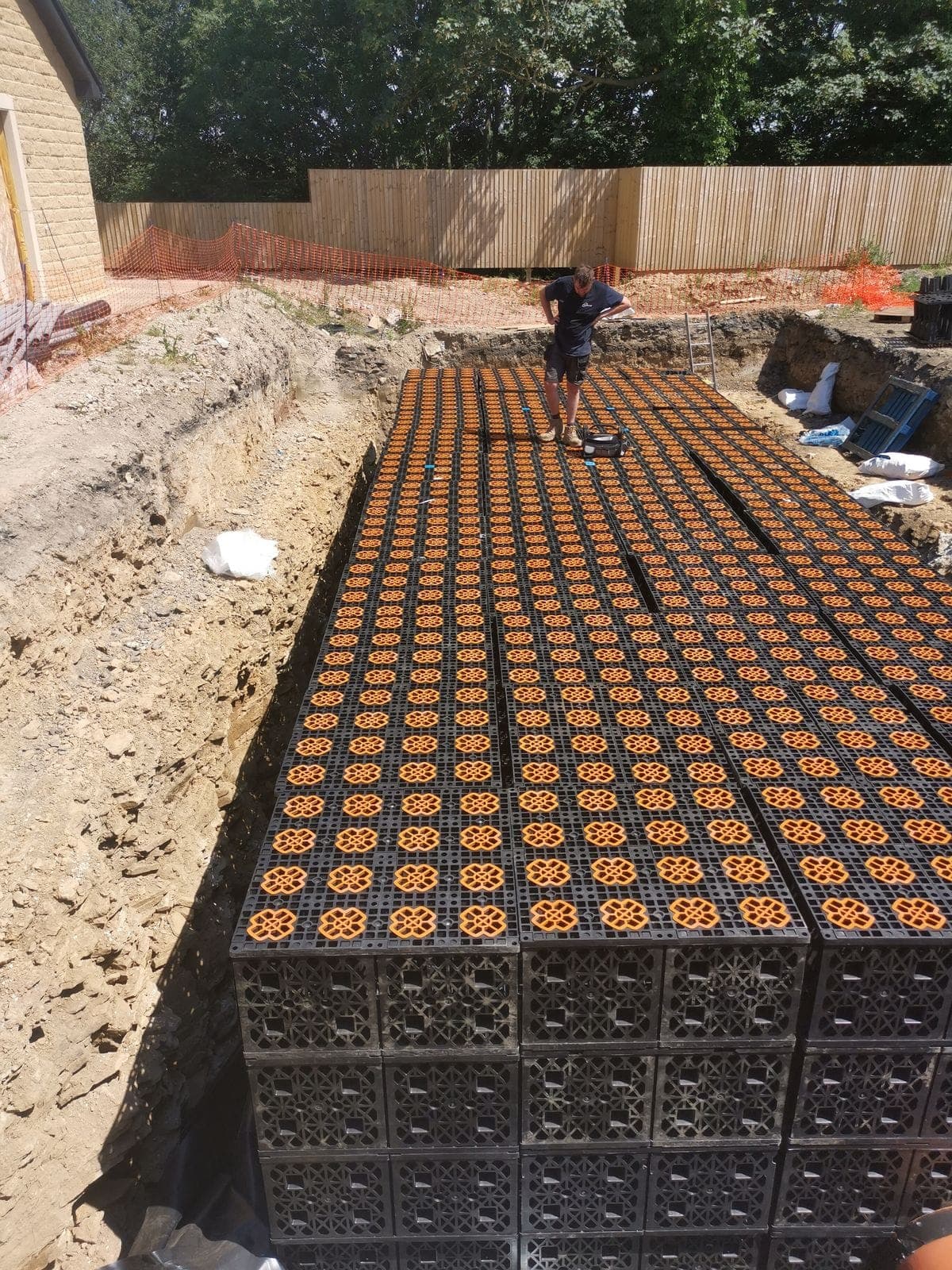
Wildlife ponds are a regular feature of new development around the city: on housing schemes in the outer suburbs, on business parks, and on restored land in the Aire valley. Planners and ecologists tend to want something that looks and grows like a natural pond, and a geosynthetic clay liner gives exactly that once it is buried.

Its bentonite core swells on hydration into a barrier of very low permeability. If a root or stone does find its way in, the clay presses into the hole and closes it.
Water chemistry on coal and limestone

Sodium bentonite works best with soft water. Water draining off the Magnesian Limestone in the east of the district, or rising from old mine workings further south, can carry calcium and other dissolved minerals that change how the clay behaves. That is why our first step is to check whether the application suits a GCL at all.

Where it doesn't, or where the banks are too steep to hold a cover layer, a welded membrane is the better liner, and we install that instead.

Reworked ground in the Aire valley

Former colliery and opencast land east of the city has been restored to grassland, wetland and woodland, and new habitat ponds there often sit on reworked fill. Soft spots and buried debris have to be dealt with by your contractor before laying, because the liner follows whatever lies beneath it.

From formation to handover

A GCL has no welds. Its joints rely on the overlap and the bentonite worked into it, so the laps get the attention a seam gets on a membrane job.

  • Your contractor trims and compacts the formation and picks out anything sharp.
  • We check it over and only start once we're satisfied it is fit to lay on.
  • Panels go down with wide overlaps, and bentonite paste or loose granules are worked into each one.
  • Outlets, pipes and edges against structures get extra paste or granules.
  • Laps and details are logged in the QA record day by day.
  • At handover you get those records and the depth of soil the liner must have over it.

Confinement comes next

The clay has to swell against something. Your contractor places the cover soil and then hydrates the liner, and that should follow our handover closely. Pennine showers can arrive at any point in the day, and a GCL wetted before it is confined loses its seal.

GCL Pond Lining Leeds

Frequently asked questions

We ask where the water will come from and check the application before recommending one. If the supply is hard or chemically aggressive, a membrane is usually the safer choice.

Gentler slopes suit it best, because the cover soil has to stay in place. Steep or exposed sides usually point to a membrane.

No. Bentonite is a natural clay, and once covered the bed is much like a pond puddled with clay in the old way.

Tell us about your project

Quote back within one working day